
Capsular Pattern Shoulder
Capsular Pattern Shoulder - Describe the diagnostic approach for evaluating adhesive capsulitis. Web patients present with constant shoulder pain and range of motion (rom) limitations in a capsular pattern (external rotation (er)> abduction (abd)> flexion (flx)> and internal. Web the hallmark sign of frozen shoulder, also known as adhesive capsulitis, is the inability to move your shoulder—either on your own or with the help of someone else. Web frozen shoulder (adhesive capsulitis) occurs when the strong connective tissue surrounding your shoulder joint (called the shoulder joint capsule) becomes thick, stiff. Web patients with frozen shoulder commonly present with rom restrictions in a capsular pattern. Web shoulder pain accompanied by a marked decrease in range of motion is the chief characteristic of adhesive capsulitis. It is not known exactly what causes this condition. A clinician should be aware about the joint limitation that exists but isn't capsular in nature. Most limitation in passive lateral rotation, some limitation in passive scapulohumeral abduction, and. For example in the shoulder joint in case of subacromial bursitis,. Signs and symptoms typically begin slowly, then get worse. Web the usual surgical treatment of a frozen shoulder is called an arthroscopic capsular release. Web also known as “frozen shoulder,” adhesive capsulitis (ac) is an insidious inflammatory condition characterized by a painful, gradual loss in passive or active. A capsular pattern is a proportional motion restriction unique to every joint that. As is evident from the name, this is an arthroscopic shoulder surgery. Frozen shoulder is an extremely painful and debilitating condition leading to stiffness and disability. Web the common capsular pattern of limitation has historically been described as diminishing motions with external shoulder rotation being the most limited, followed. Most limitation in passive lateral rotation, some limitation in passive scapulohumeral abduction, and. Web patients present with constant shoulder pain and range of motion (rom) limitations in a capsular pattern (external rotation (er)> abduction (abd)> flexion (flx)> and internal. Web this condition is called adhesive (scarring) capsulitis (inflammation of the capsule). Web the hallmark sign of frozen shoulder, also known as adhesive capsulitis, is the inability to move your shoulder—either on your own or with the help of someone else. A capsular pattern is a proportional motion restriction unique to every joint that. Web adhesive capsulitis, also known as frozen shoulder, is a condition associated with shoulder pain and stiffness. For. Web the usual surgical treatment of a frozen shoulder is called an arthroscopic capsular release. It typically occurs in the fifth and sixth decades of life,. Web also known as “frozen shoulder,” adhesive capsulitis (ac) is an insidious inflammatory condition characterized by a painful, gradual loss in passive or active. Describe the diagnostic approach for evaluating adhesive capsulitis. It is. Web the usual surgical treatment of a frozen shoulder is called an arthroscopic capsular release. It is not known exactly what causes this condition. A clinician should be aware about the joint limitation that exists but isn't capsular in nature. Web the dynamic stabilisers of the shoulder complex include the rotator cuff muscles, the deltoid, and the scapular muscles, which. Web frozen shoulder, or adhesive capsulitis, describes the common shoulder condition characterized by painful and limited active and passive range of motion (rom). Web patients with frozen shoulder commonly present with rom restrictions in a capsular pattern. Web this condition is called adhesive (scarring) capsulitis (inflammation of the capsule). Most limitation in passive lateral rotation, some limitation in passive scapulohumeral. A clinician should be aware about the joint limitation that exists but isn't capsular in nature. Web adhesive capsulitis, also known as frozen shoulder, is a condition associated with shoulder pain and stiffness. Web shoulder pain accompanied by a marked decrease in range of motion is the chief characteristic of adhesive capsulitis. For example in the shoulder joint in case. Web for example, the shoulder's capsular pattern is as follows: Web the usual surgical treatment of a frozen shoulder is called an arthroscopic capsular release. As is evident from the name, this is an arthroscopic shoulder surgery. Web frozen shoulder (adhesive capsulitis) occurs when the strong connective tissue surrounding your shoulder joint (called the shoulder joint capsule) becomes thick, stiff.. It is a common shoulder ailment that is marked by pain. Web the dynamic stabilisers of the shoulder complex include the rotator cuff muscles, the deltoid, and the scapular muscles, which control scapulohumeral rhythm. Web fs or primary idiopathic stiff shoulder terms are used to describe a stiff shoulder that develops without any specific trauma or any underlying disease process.. Most limitation in passive lateral rotation, some limitation in passive scapulohumeral abduction, and. Pain is described as a poorly localized, dull. The joint capsule itself may exhibit thickening and fibrosis, leading to a loss of rom and shoulder joint stiffness. As is evident from the name, this is an arthroscopic shoulder surgery. Immobilization of the shoulder (after an. Web for example, the shoulder's capsular pattern is as follows: Web this condition is called adhesive (scarring) capsulitis (inflammation of the capsule). Web patients present with constant shoulder pain and range of motion (rom) limitations in a capsular pattern (external rotation (er)> abduction (abd)> flexion (flx)> and internal. Web the concept of capsular constraint mechanism can be applied to a. It is not known exactly what causes this condition. Web the usual surgical treatment of a frozen shoulder is called an arthroscopic capsular release. Web also known as “frozen shoulder,” adhesive capsulitis (ac) is an insidious inflammatory condition characterized by a painful, gradual loss in passive or active. For example in the shoulder joint in case of subacromial bursitis,. Frozen. Immobilization of the shoulder (after an. It typically occurs in the fifth and sixth decades of life,. Web the concept of capsular constraint mechanism can be applied to a tight join capsule of the shoulder where the humeral head translates in the direction opposite to that of. Web the usual surgical treatment of a frozen shoulder is called an arthroscopic capsular release. Web frozen shoulder (adhesive capsulitis) occurs when the strong connective tissue surrounding your shoulder joint (called the shoulder joint capsule) becomes thick, stiff. Web fs or primary idiopathic stiff shoulder terms are used to describe a stiff shoulder that develops without any specific trauma or any underlying disease process. Pain is described as a poorly localized, dull. Web summarize the pathophysiology of frozen shoulder/adhesive capsulitis. Web the hallmark sign of frozen shoulder, also known as adhesive capsulitis, is the inability to move your shoulder—either on your own or with the help of someone else. Describe the diagnostic approach for evaluating adhesive capsulitis. It is not known exactly what causes this condition. As is evident from the name, this is an arthroscopic shoulder surgery. Web the common capsular pattern of limitation has historically been described as diminishing motions with external shoulder rotation being the most limited, followed. The joint capsule itself may exhibit thickening and fibrosis, leading to a loss of rom and shoulder joint stiffness. Web frozen shoulder, also called adhesive capsulitis, involves stiffness and pain in the shoulder joint. It is a common shoulder ailment that is marked by pain.
What Is Capsular Pattern Of Shoulder Margaret Greene Kapsels

What Is Capsular Pattern Of Shoulder Margaret Greene Kapsels
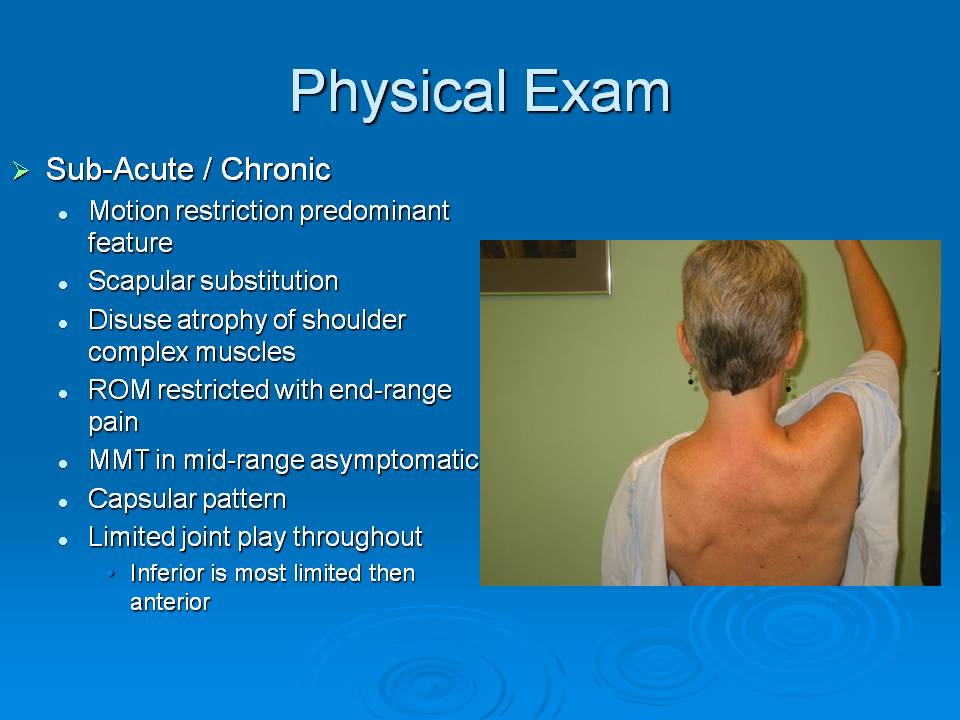
Capsular pattern of the shoulder labquiz

Figure 1 from Posterior Capsular Contracture of the Shoulder Semantic

Frozen shoulder Adhesive capsulitis of the shoulder
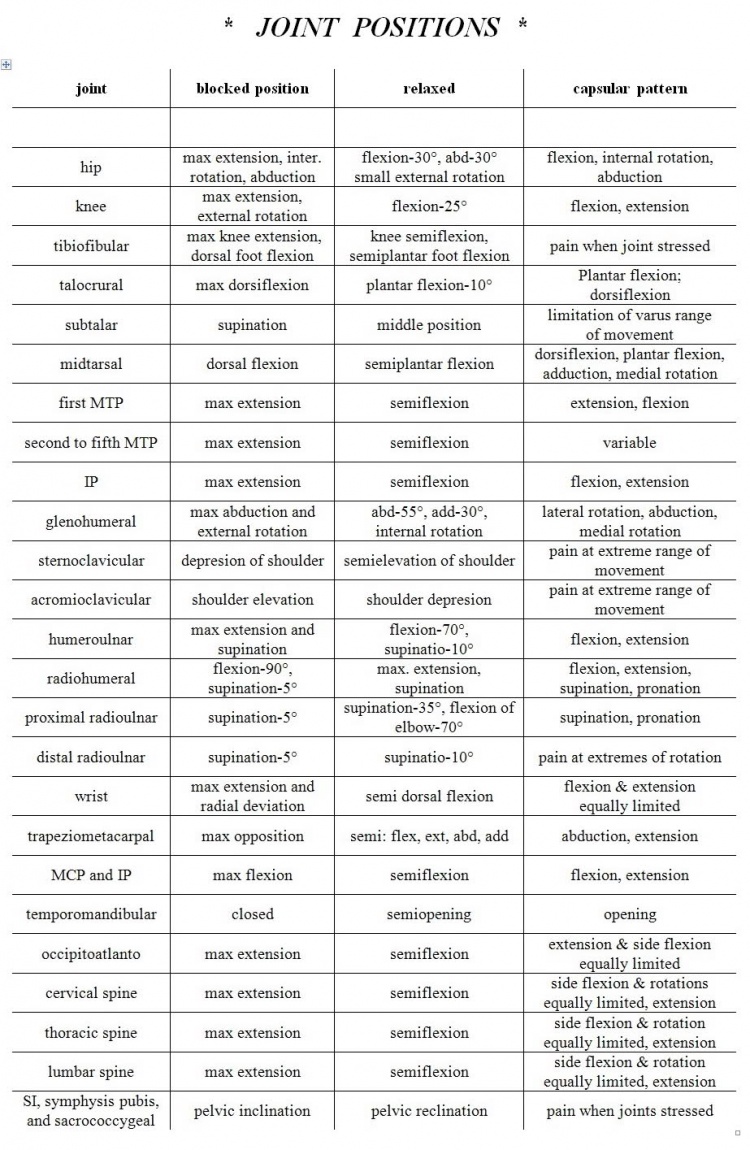
Capsular and Noncapsular Patterns Physiopedia

Adhesive Capsulitis / Frozen Shoulder Murdoch Orthopaedic Clinic

capsular pattern shoulder YouTube
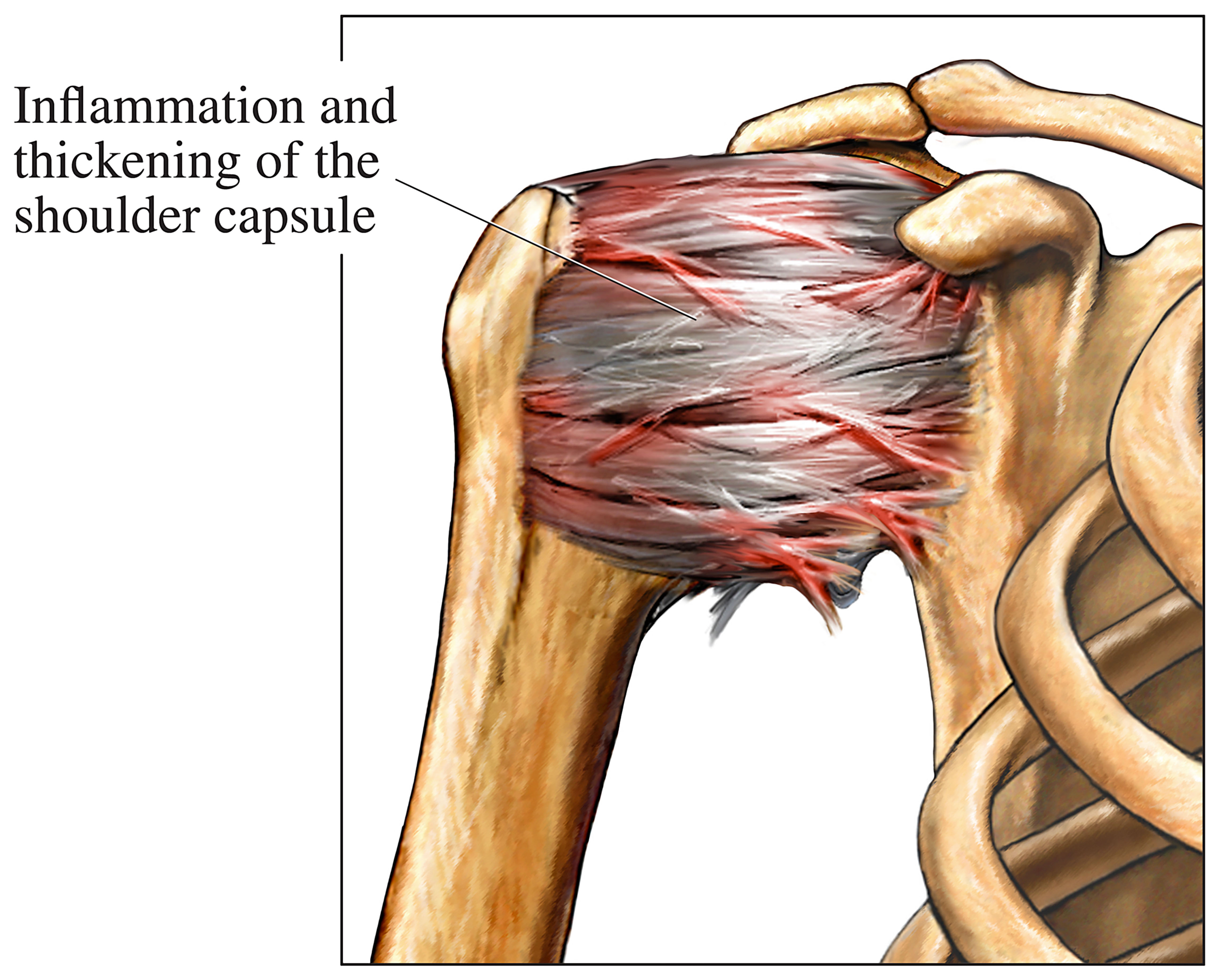
Adhesive Capsulitis of the Shoulder Therapists in Galway Therapists
Capsular Ligament of the Shoulder Joint ClipArt ETC
Web This Condition Is Called Adhesive (Scarring) Capsulitis (Inflammation Of The Capsule).
Web Also Known As “Frozen Shoulder,” Adhesive Capsulitis (Ac) Is An Insidious Inflammatory Condition Characterized By A Painful, Gradual Loss In Passive Or Active.
Most Limitation In Passive Lateral Rotation, Some Limitation In Passive Scapulohumeral Abduction, And.
Frozen Shoulder Is An Extremely Painful And Debilitating Condition Leading To Stiffness And Disability.
Related Post: