
Is There A Pattern To Prime Numbers
Is There A Pattern To Prime Numbers - They prefer not to mimic the final digit of the preceding prime, mathematicians have discovered. If we know that the number ends in $1, 3, 7, 9$; Quasicrystals produce scatter patterns that resemble the distribution of prime numbers. Web the probability that a random number $n$ is prime can be evaluated as $1/ln(n)$ (not as a constant $p$) by the prime counting function. This probability becomes $\frac{10}{4}\frac{1}{ln(n)}$ (assuming the classes are random). Web prime numbers, divisible only by 1 and themselves, hate to repeat themselves. Many mathematicians from ancient times to the present have studied prime numbers. Web the results, published in three papers (1, 2, 3) show that this was indeed the case: Web two mathematicians have found a strange pattern in prime numbers—showing that the numbers are not distributed as randomly as theorists often assume. Web patterns with prime numbers. As a result, many interesting facts about prime numbers have been discovered. They prefer not to mimic the final digit of the preceding prime, mathematicians have discovered. Web mathematicians are stunned by the discovery that prime numbers are pickier than previously thought. Web now, however, kannan soundararajan and robert lemke oliver of stanford university in the us have discovered that when it comes to the last digit of prime numbers, there is a kind of pattern. Web the results, published in three papers (1, 2, 3) show that this was indeed the case: Web patterns with prime numbers. Web prime numbers, divisible only by 1 and themselves, hate to repeat themselves. Many mathematicians from ancient times to the present have studied prime numbers. Are there any patterns in the appearance of prime numbers? If we know that the number ends in $1, 3, 7, 9$; They prefer not to mimic the final digit of the preceding prime, mathematicians have discovered. If we know that the number ends in $1, 3, 7, 9$; Web prime numbers, divisible only by 1 and themselves, hate to repeat themselves. This probability becomes $\frac{10}{4}\frac{1}{ln(n)}$ (assuming the classes are random). Web the results, published in three papers (1, 2, 3) show. Web prime numbers, divisible only by 1 and themselves, hate to repeat themselves. I think the relevant search term is andrica's conjecture. They prefer not to mimic the final digit of the preceding prime, mathematicians have discovered. For example, is it possible to describe all prime numbers by a single formula? Web two mathematicians have found a strange pattern in. Web now, however, kannan soundararajan and robert lemke oliver of stanford university in the us have discovered that when it comes to the last digit of prime numbers, there is a kind of pattern. Web two mathematicians have found a strange pattern in prime numbers—showing that the numbers are not distributed as randomly as theorists often assume. Quasicrystals produce scatter. Web now, however, kannan soundararajan and robert lemke oliver of stanford university in the us have discovered that when it comes to the last digit of prime numbers, there is a kind of pattern. Web the probability that a random number $n$ is prime can be evaluated as $1/ln(n)$ (not as a constant $p$) by the prime counting function. Quasicrystals. Quasicrystals produce scatter patterns that resemble the distribution of prime numbers. Web prime numbers, divisible only by 1 and themselves, hate to repeat themselves. The find suggests number theorists need to be a little more careful when exploring the vast. The other question you ask, whether anyone has done the calculations you have done, i'm sure the answer is yes.. Web now, however, kannan soundararajan and robert lemke oliver of stanford university in the us have discovered that when it comes to the last digit of prime numbers, there is a kind of pattern. Web patterns with prime numbers. Are there any patterns in the appearance of prime numbers? The other question you ask, whether anyone has done the calculations. The other question you ask, whether anyone has done the calculations you have done, i'm sure the answer is yes. Web the results, published in three papers (1, 2, 3) show that this was indeed the case: Web the probability that a random number $n$ is prime can be evaluated as $1/ln(n)$ (not as a constant $p$) by the prime. Web the probability that a random number $n$ is prime can be evaluated as $1/ln(n)$ (not as a constant $p$) by the prime counting function. For example, is it possible to describe all prime numbers by a single formula? Many mathematicians from ancient times to the present have studied prime numbers. As a result, many interesting facts about prime numbers. Web now, however, kannan soundararajan and robert lemke oliver of stanford university in the us have discovered that when it comes to the last digit of prime numbers, there is a kind of pattern. Web two mathematicians have found a strange pattern in prime numbers—showing that the numbers are not distributed as randomly as theorists often assume. I think the. The other question you ask, whether anyone has done the calculations you have done, i'm sure the answer is yes. If we know that the number ends in $1, 3, 7, 9$; Web prime numbers, divisible only by 1 and themselves, hate to repeat themselves. Web two mathematicians have found a strange pattern in prime numbers—showing that the numbers are. Are there any patterns in the appearance of prime numbers? The find suggests number theorists need to be a little more careful when exploring the vast. Many mathematicians from ancient times to the present have studied prime numbers. This probability becomes $\frac{10}{4}\frac{1}{ln(n)}$ (assuming the classes are random). Web prime numbers, divisible only by 1 and themselves, hate to repeat themselves. For example, is it possible to describe all prime numbers by a single formula? If we know that the number ends in $1, 3, 7, 9$; The other question you ask, whether anyone has done the calculations you have done, i'm sure the answer is yes. Web two mathematicians have found a strange pattern in prime numbers — showing that the numbers are not distributed as randomly as theorists often assume. They prefer not to mimic the final digit of the preceding prime, mathematicians have discovered. Web mathematicians are stunned by the discovery that prime numbers are pickier than previously thought. I think the relevant search term is andrica's conjecture. Web the probability that a random number $n$ is prime can be evaluated as $1/ln(n)$ (not as a constant $p$) by the prime counting function. Quasicrystals produce scatter patterns that resemble the distribution of prime numbers. As a result, many interesting facts about prime numbers have been discovered.
Prime number patterns Prime numbers, Number theory, Geometry

Prime Number Patterning! The Teacher Studio Learning, Thinking, Creating
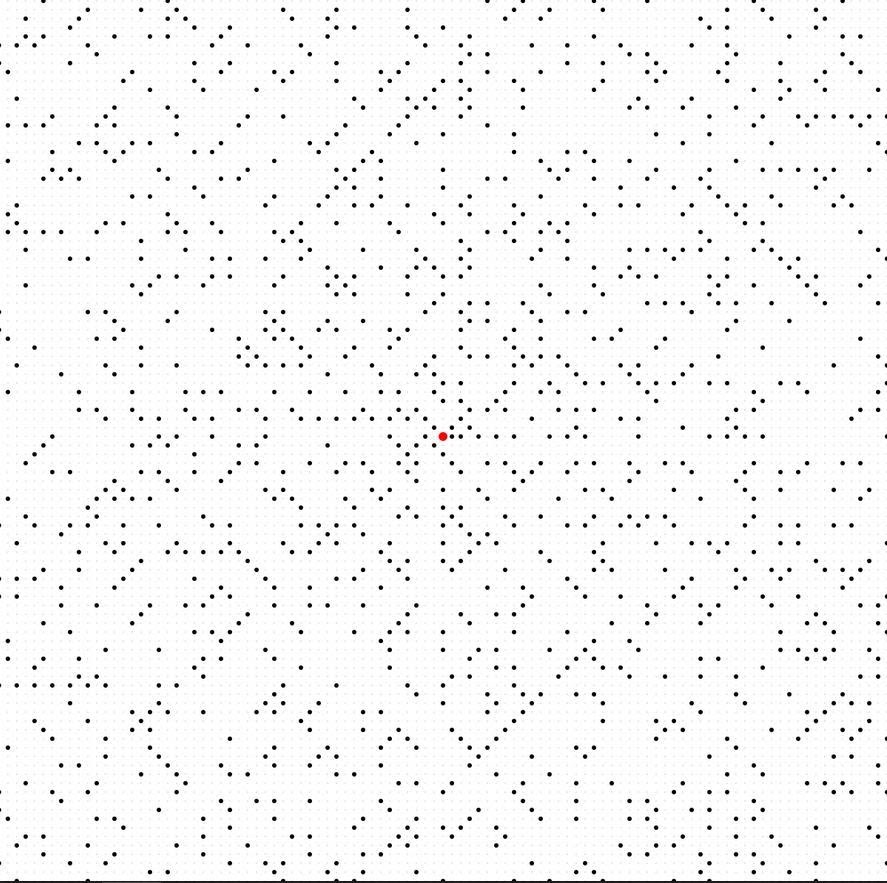
Prime Numbers Definition, Examples, Properties, Gaps, Patterns
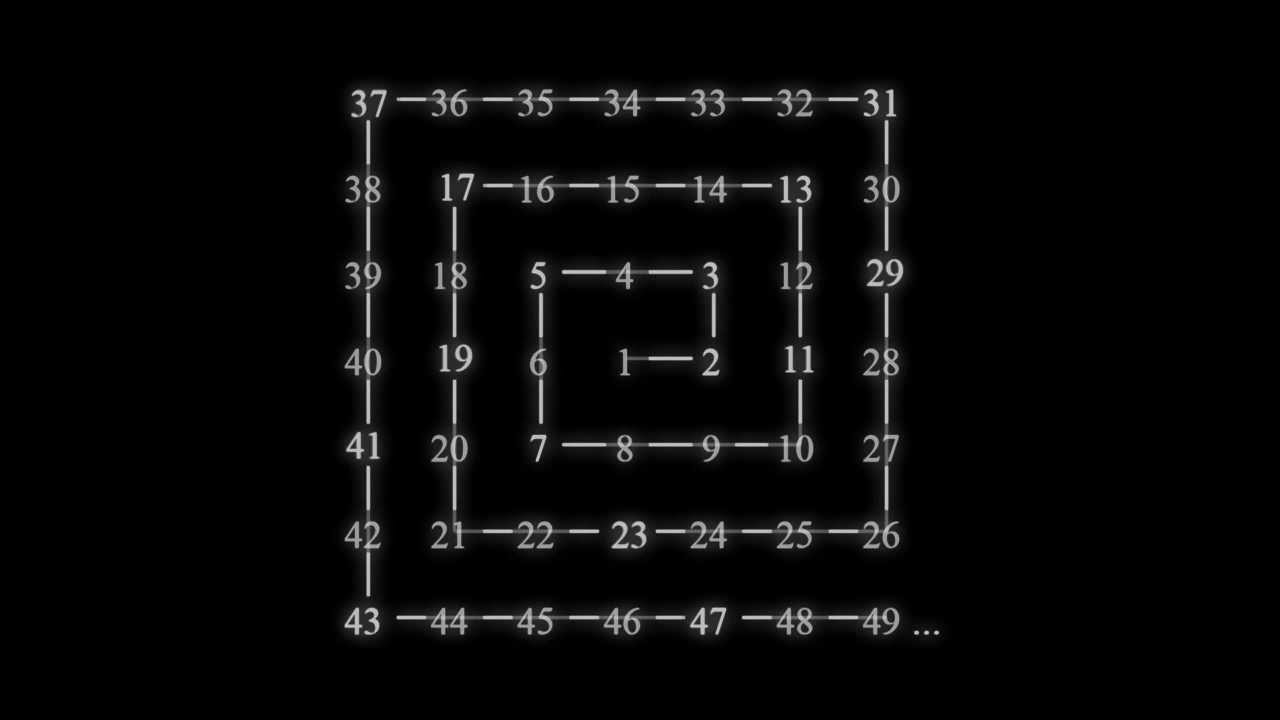
A Pattern in Prime Numbers ? YouTube
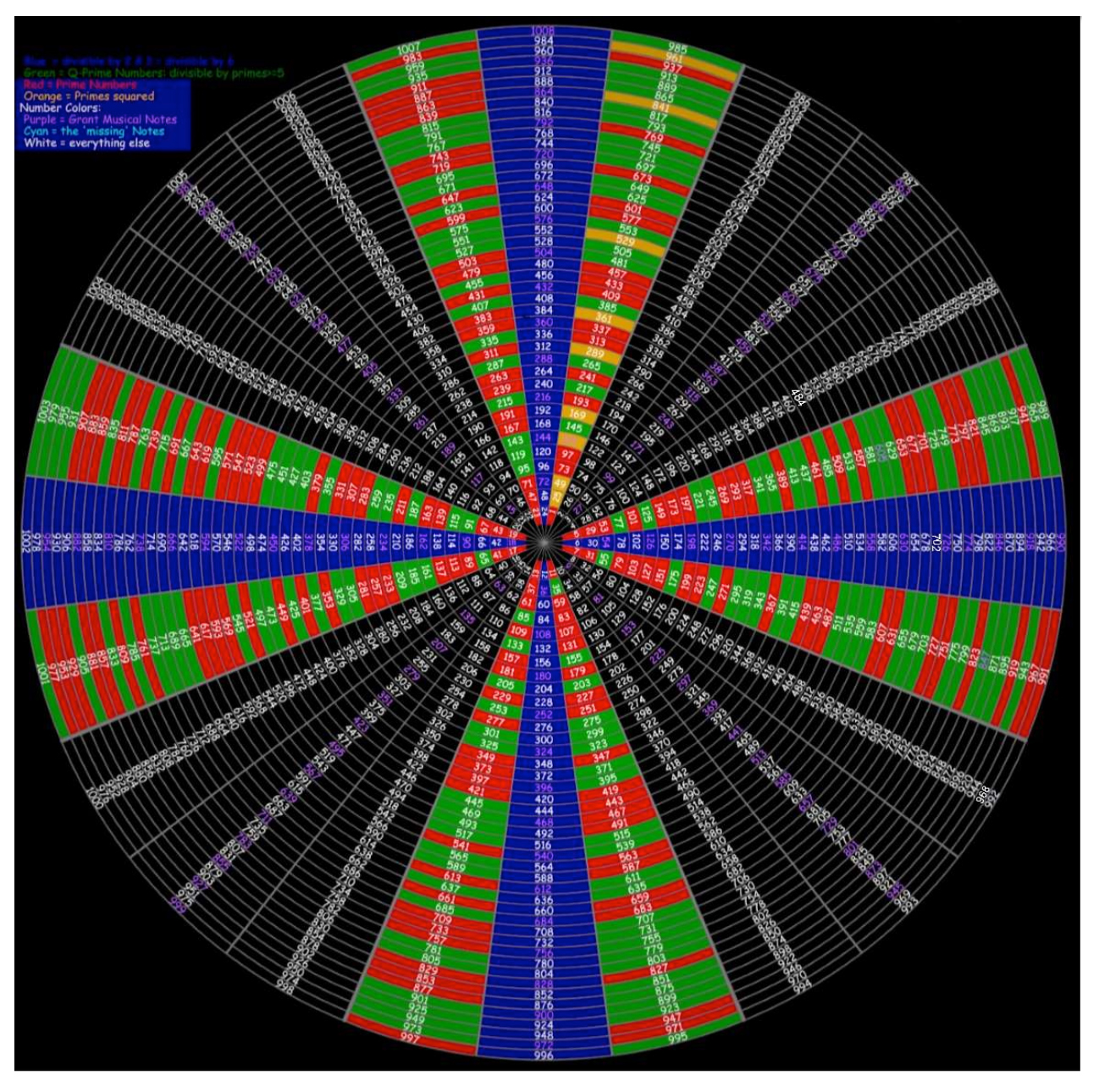
Prime Number Pattern Discovery PUBLISHED
![[Math] Explanation of a regular pattern only occuring for prime numbers](https://i.stack.imgur.com/N9loW.png)
[Math] Explanation of a regular pattern only occuring for prime numbers
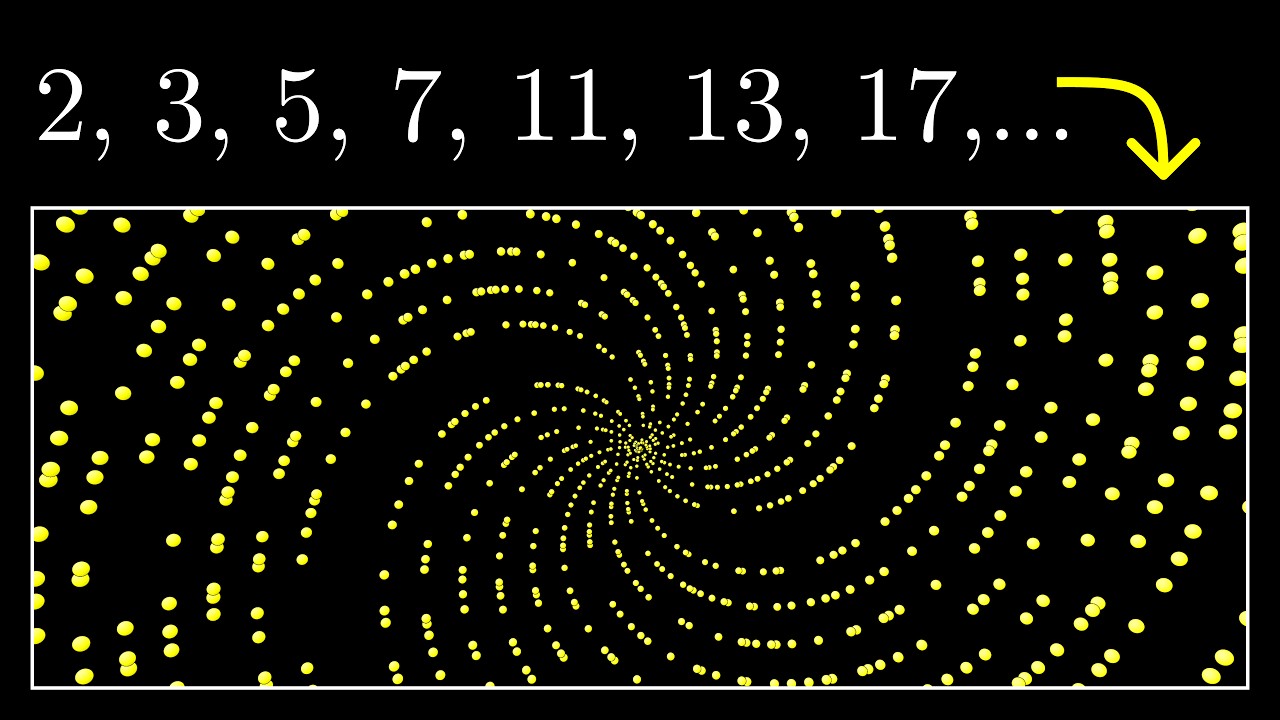
Why do prime numbers make these spirals? Dirichlet’s theorem and pi
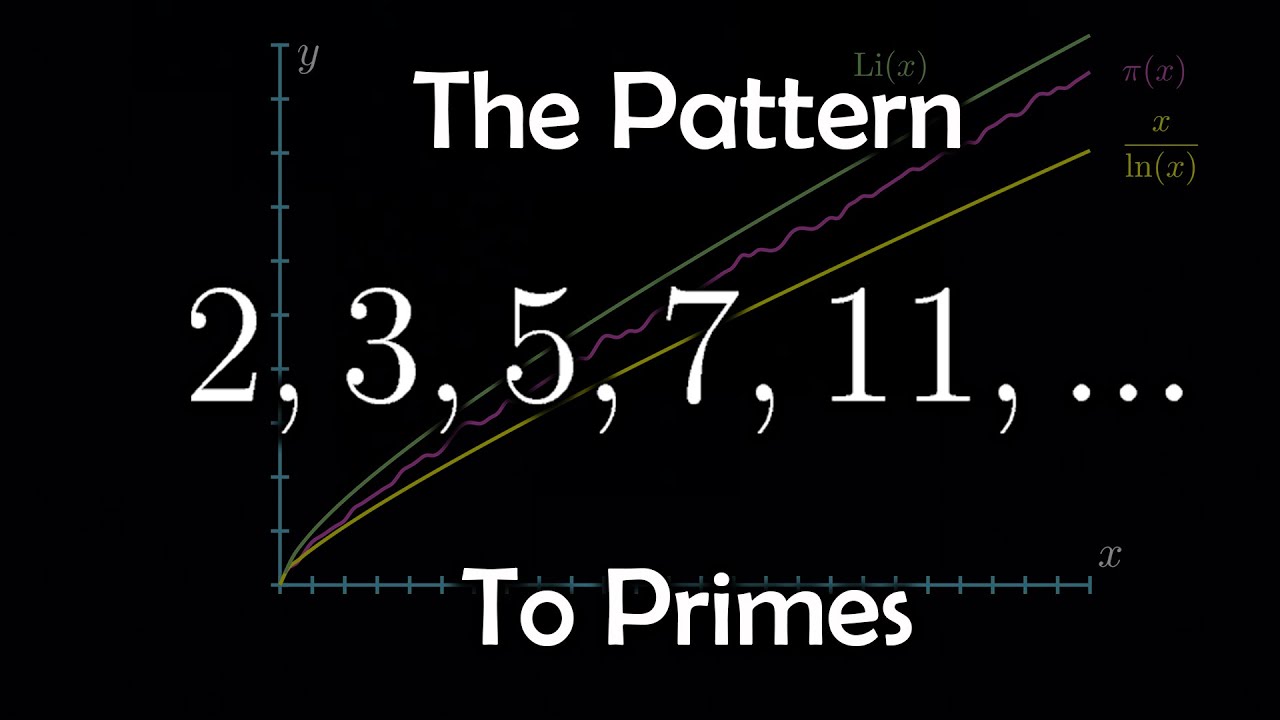
The Pattern to Prime Numbers? YouTube
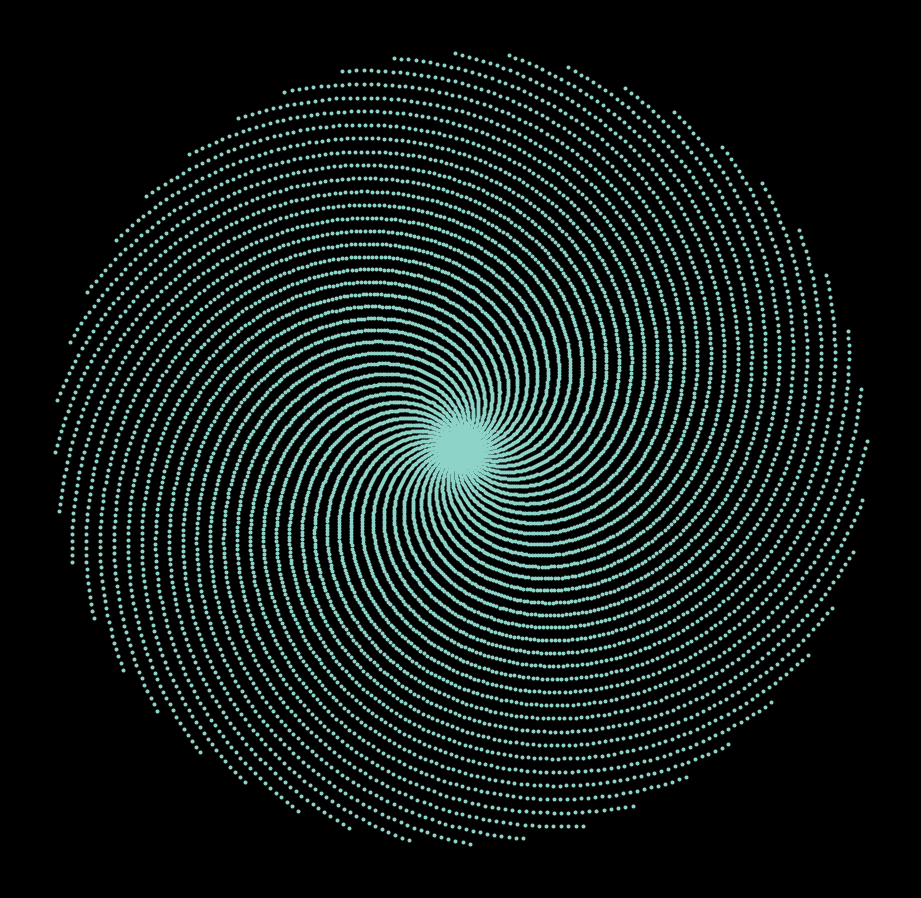
Plotting Prime Numbers Jake Tae

Prime Numbers Definition, Prime Numbers 1 to 100, Examples
Web The Results, Published In Three Papers (1, 2, 3) Show That This Was Indeed The Case:
Web Two Mathematicians Have Found A Strange Pattern In Prime Numbers—Showing That The Numbers Are Not Distributed As Randomly As Theorists Often Assume.
Web Patterns With Prime Numbers.
Web Now, However, Kannan Soundararajan And Robert Lemke Oliver Of Stanford University In The Us Have Discovered That When It Comes To The Last Digit Of Prime Numbers, There Is A Kind Of Pattern.
Related Post: