
Korean Traditional Pattern
Korean Traditional Pattern - Web the most commonly used patterns in korean traditional symbols are the longevity (壽) and fortune (福) design. Web the 100 cultural symbols of korea are 100 symbols developed by the ministry of culture, sports and tourism to find the cultural genes of the korean people that encompass korean tradition and modernity. Web find & download free graphic resources for korean traditional pattern. Web see a feature article on korean traditional patterns, symbols & colors: We’ll look at 20 of the most. The main purpose for making patterns was decorative, and often functioned to protect the object. Both the pattern and the colors of the decorations and details hold symbolic meaning thus this décor is often seen in important places in korea like buddhist temples, palaces, and confucian institutions. Traditional patterns may serve as talismans, depending on whether they symbolize a wish for an ideal life. Web dancheong (단청) refers to ornately decorating traditional korean wooden buildings and artifacts in korea with traditional decorative colors. Web korean traditional patterns were used in architecture, daily goods, and artifacts of buddhist temples to further emphasize buddhism. Web korean traditional patterns were used in architecture, daily goods, and artifacts of buddhist temples to further emphasize buddhism. Web the traditions that make up korean culture are numerous and varied, and they have been influenced by millennia of history. Many decorative patterns in korean art are deeply rooted in cultural symbolism, representing concepts such as longevity, prosperity, fertility, and protection from evil spirits. Web traditional embroidery of korea used silk cloth and thread mainly before the three kingdoms of korea and had a special gloss and texture. 단청) refers to korean decorative colouring on wooden buildings and artifacts for the purpose of style. Web find & download free graphic resources for korean traditional pattern. Web korean born artist youngmin lee shares about traditional korean textiles arts and techniques such as bojagi, jogakbo, and saeksilnubi. Web the most commonly used patterns in korean traditional symbols are the longevity (壽) and fortune (福) design. The desire to live long and be blessed is the most original wish. Web korean traditional patterns were used in architecture, daily goods, and artifacts of buddhist temples to further emphasize buddhism. Web see a feature article on korean traditional patterns, symbols & colors: Inspired by nature, these motifs often depict flora and fauna, symbolizing concepts like longevity and prosperity. Free for commercial use high quality images. 단청) refers to korean decorative colouring on wooden buildings and artifacts for the purpose of style. Web check out our korean traditional pattern selection for. Both the pattern and the colors of the decorations and details hold symbolic meaning thus this décor is often seen in important places in korea like buddhist temples, palaces, and confucian institutions. Web decorative patterns play a significant role in korean traditional art for several reasons: Web korean traditional patterns were used in architecture, daily goods, and artifacts of buddhist. Let’s explore what is hanbok in this ultimate guide to korean fashion. Many decorative patterns in korean art are deeply rooted in cultural symbolism, representing concepts such as longevity, prosperity, fertility, and protection from evil spirits. Web decorative patterns play a significant role in korean traditional art for several reasons: Both the pattern and the colors of the decorations and. Both the pattern and the colors of the decorations and details hold symbolic meaning thus this décor is often seen in important places in korea like buddhist temples, palaces, and confucian institutions. Web find & download free graphic resources for korean pattern. Web the 100 cultural symbols of korea are 100 symbols developed by the ministry of culture, sports and. Web see a feature article on korean traditional patterns, symbols & colors: The main purpose for making patterns was decorative, and often functioned to protect the object. Web the 100 cultural symbols of korea are 100 symbols developed by the ministry of culture, sports and tourism to find the cultural genes of the korean people that encompass korean tradition and. Web the 100 cultural symbols of korea are 100 symbols developed by the ministry of culture, sports and tourism to find the cultural genes of the korean people that encompass korean tradition and modernity. Traditional patterns may serve as talismans, depending on whether they symbolize a wish for an ideal life. Web see a feature article on korean traditional patterns,. Traditional patterns may serve as talismans, depending on whether they symbolize a wish for an ideal life. Web check out our korean traditional pattern selection for the very best in unique or custom, handmade pieces from our drawings & sketches shops. Web traditional embroidery of korea used silk cloth and thread mainly before the three kingdoms of korea and had. Web the most commonly used patterns in korean traditional symbols are the longevity (壽) and fortune (福) design. The main purpose for making patterns was decorative, and often functioned to protect the object. Web decorative patterns play a significant role in korean traditional art for several reasons: Web check out our korean traditional pattern selection for the very best in. Web hanbok is commonly worn by koreans during major holidays, birthday celebrations (like dol), and weddings, but not many korean people actually know about the deep history and significance behind traditional hanbok. Web find & download free graphic resources for korean pattern. Free for commercial use high quality images Web the most commonly used patterns in korean traditional symbols are. Web see a feature article on korean traditional patterns, symbols & colors: Let’s explore what is hanbok in this ultimate guide to korean fashion. Many decorative patterns in korean art are deeply rooted in cultural symbolism, representing concepts such as longevity, prosperity, fertility, and protection from evil spirits. Both the pattern and the colors of the decorations and details hold. The main purpose for making patterns was decorative, and often functioned to protect the object. The main purpose for making patterns was decorative, and often functioned to protect the object. Including feng shui, taegeuk the korean flag, the pujok, swastika and influences from china. Web check out our korean traditional pattern selection for the very best in unique or custom, handmade pieces from our drawings & sketches shops. Web the traditions that make up korean culture are numerous and varied, and they have been influenced by millennia of history. The longing for realistic desires or connections to the world through specific objects is a key charm of korean patterns. Web the artist appropriates a variety of historical korean visual forms, including traditional patterns and folk paintings in addition to mulhwak. Both the pattern and the colors of the decorations and details hold symbolic meaning thus this décor is often seen in important places in korea like buddhist temples, palaces, and confucian institutions. Inspired by nature, these motifs often depict flora and fauna, symbolizing concepts like longevity and prosperity. The main purpose for making patterns was decorative, and often functioned to protect the object. The desire to live long and be blessed is the most original wish. These traditional patterns function as symbols celebrating the notion of an ideal life. Web find & download free graphic resources for korean traditional pattern. Web hanbok is commonly worn by koreans during major holidays, birthday celebrations (like dol), and weddings, but not many korean people actually know about the deep history and significance behind traditional hanbok. Web korean traditional patterns were used in architecture, daily goods, and artifacts of buddhist temples to further emphasize buddhism. Web traditional embroidery of korea used silk cloth and thread mainly before the three kingdoms of korea and had a special gloss and texture.
Traditional Korean Pattern for Designers Stock Vector Illustration of

Korea Traditional Pattern Dancheong Korean Traditional Stock Vector
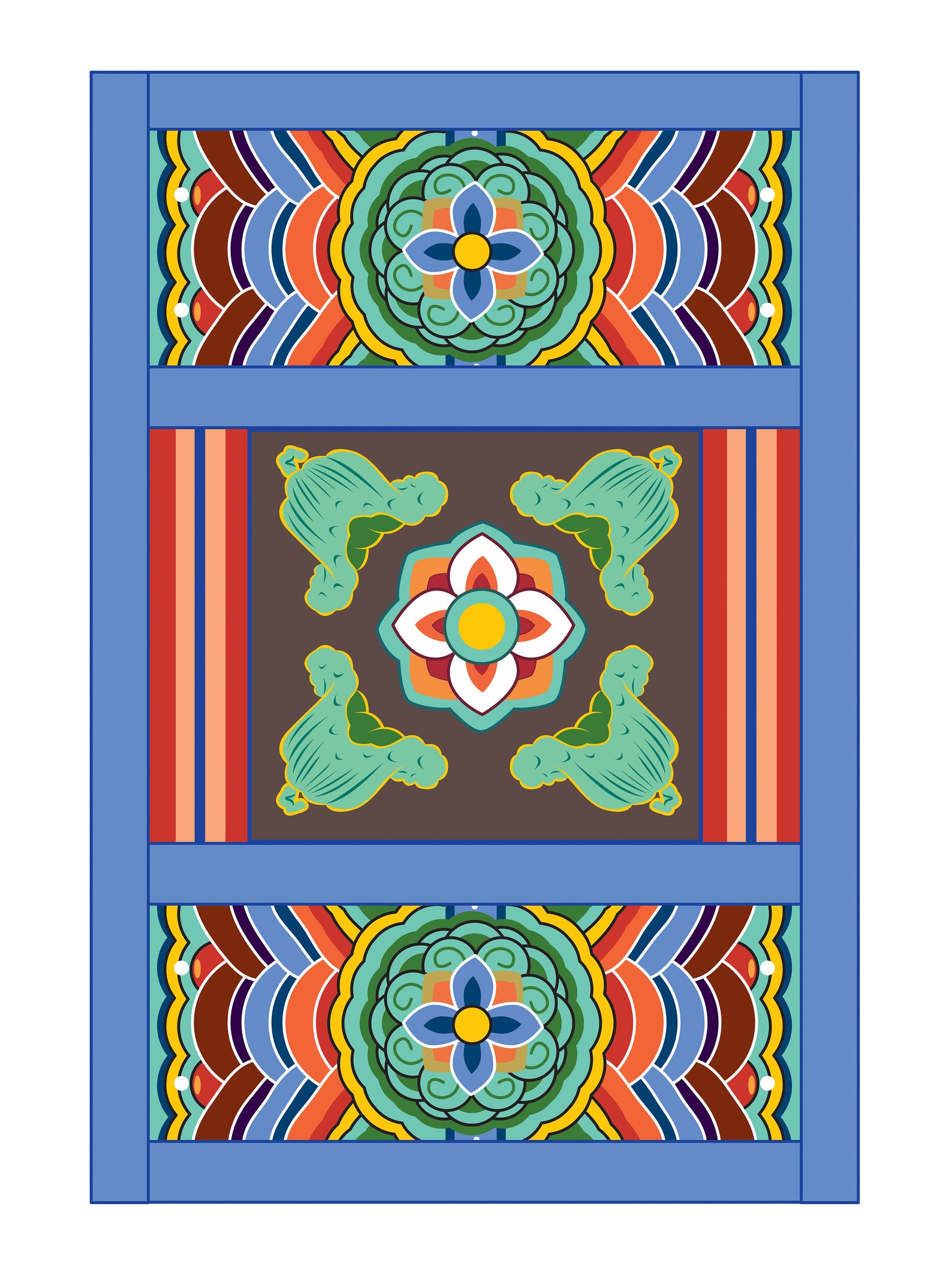
Korean traditional pattern Seoul digital print Art wall Etsy
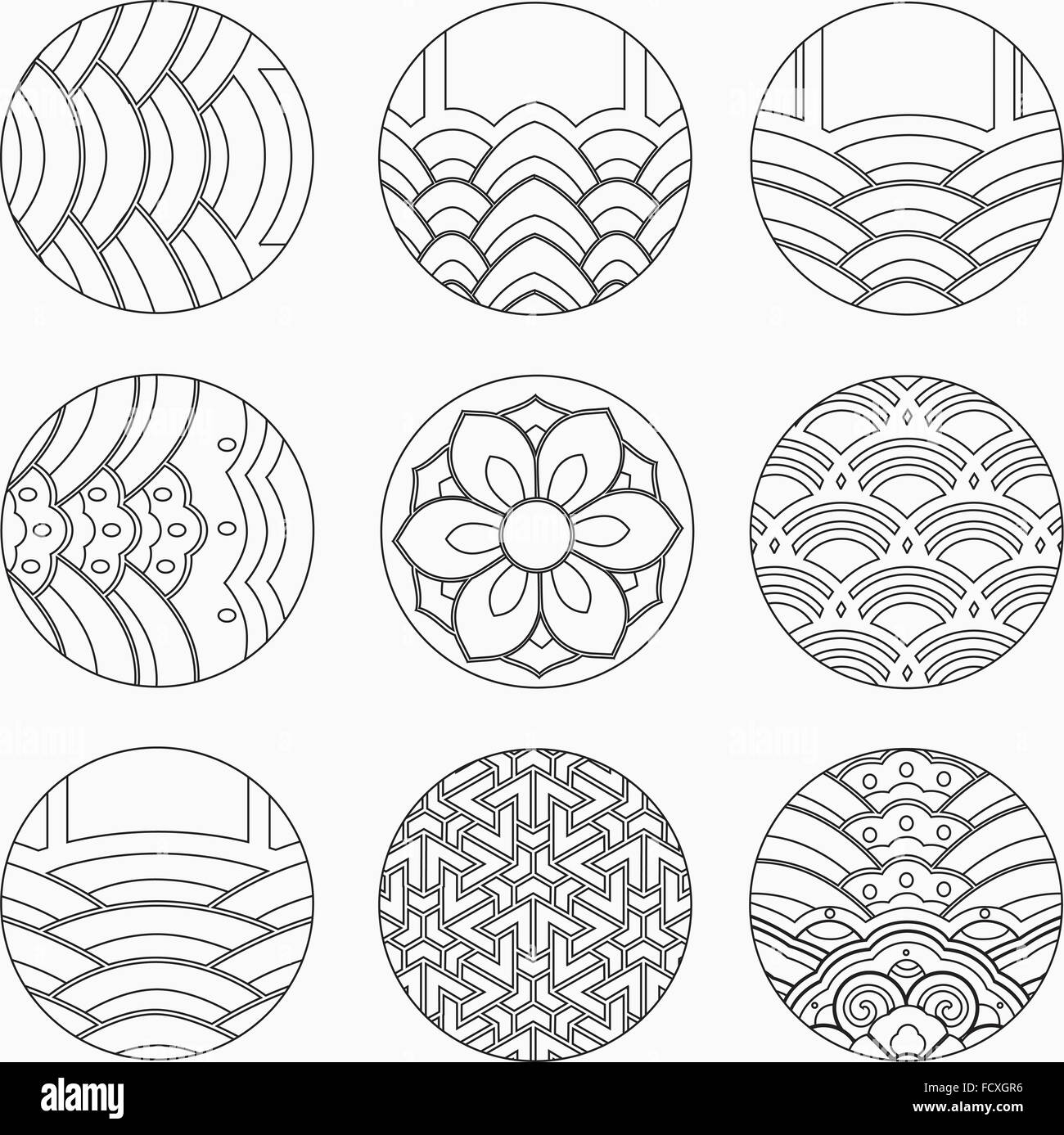
Various traditional Korean patterns in circles Stock Photo 94011658
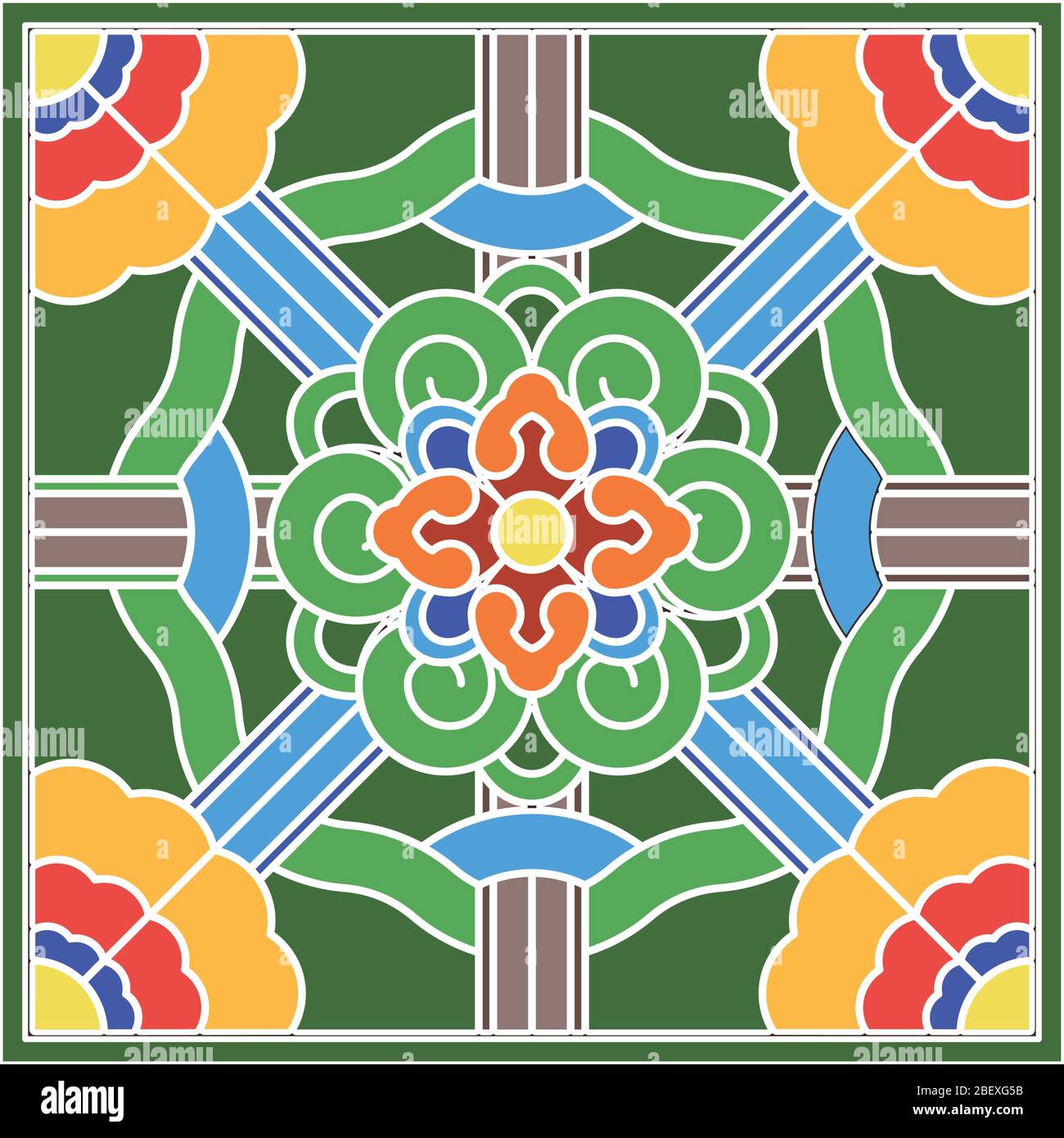
the Korean traditional pattern illustration 079 Stock Vector Image
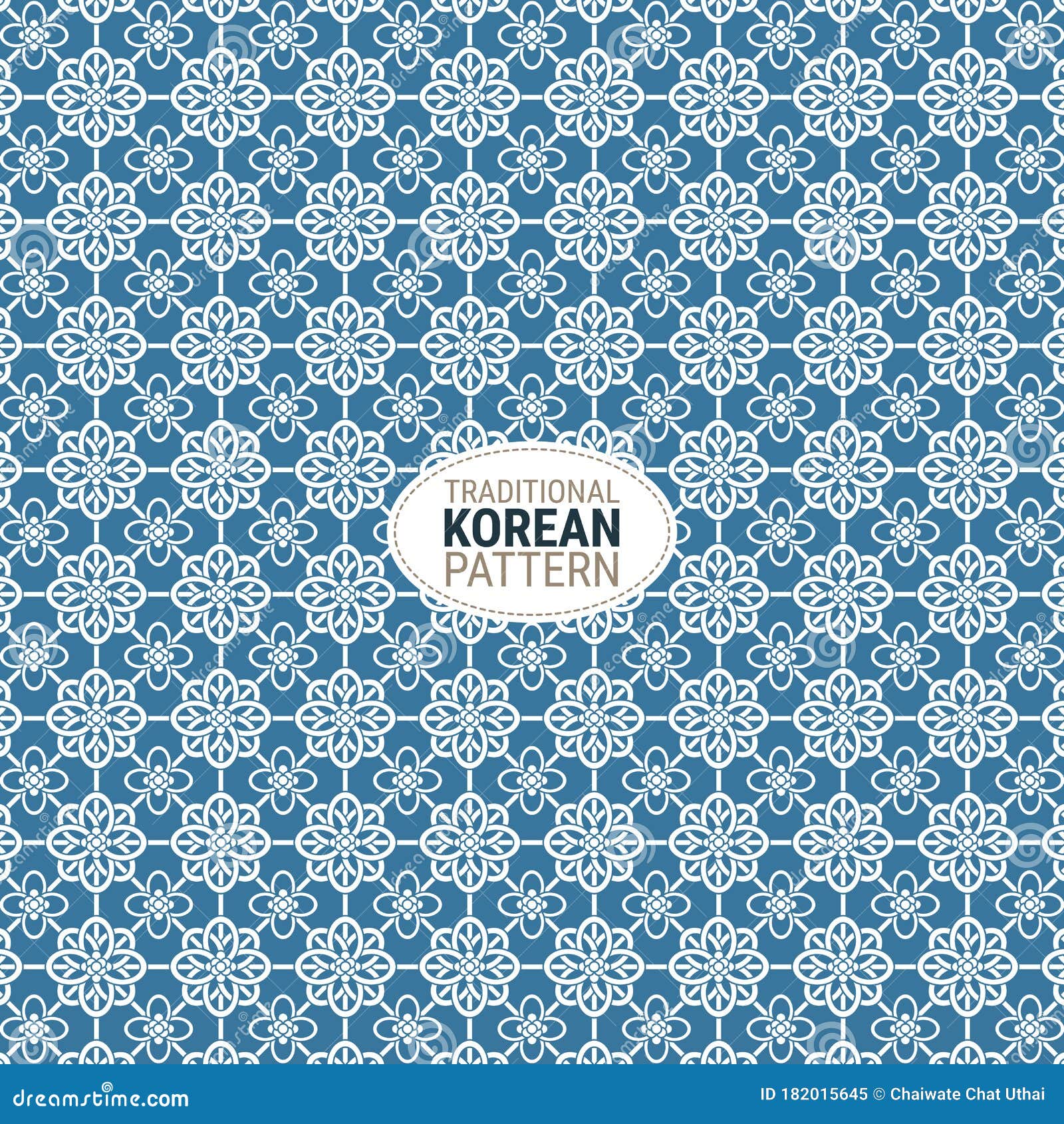
Traditional Korean Pattern for Designers Stock Vector Illustration of

Traditional pattern in South Korea. Closeup Stock Photo Alamy

Korean Traditional Pattern design Korean art, Korean painting, Korean
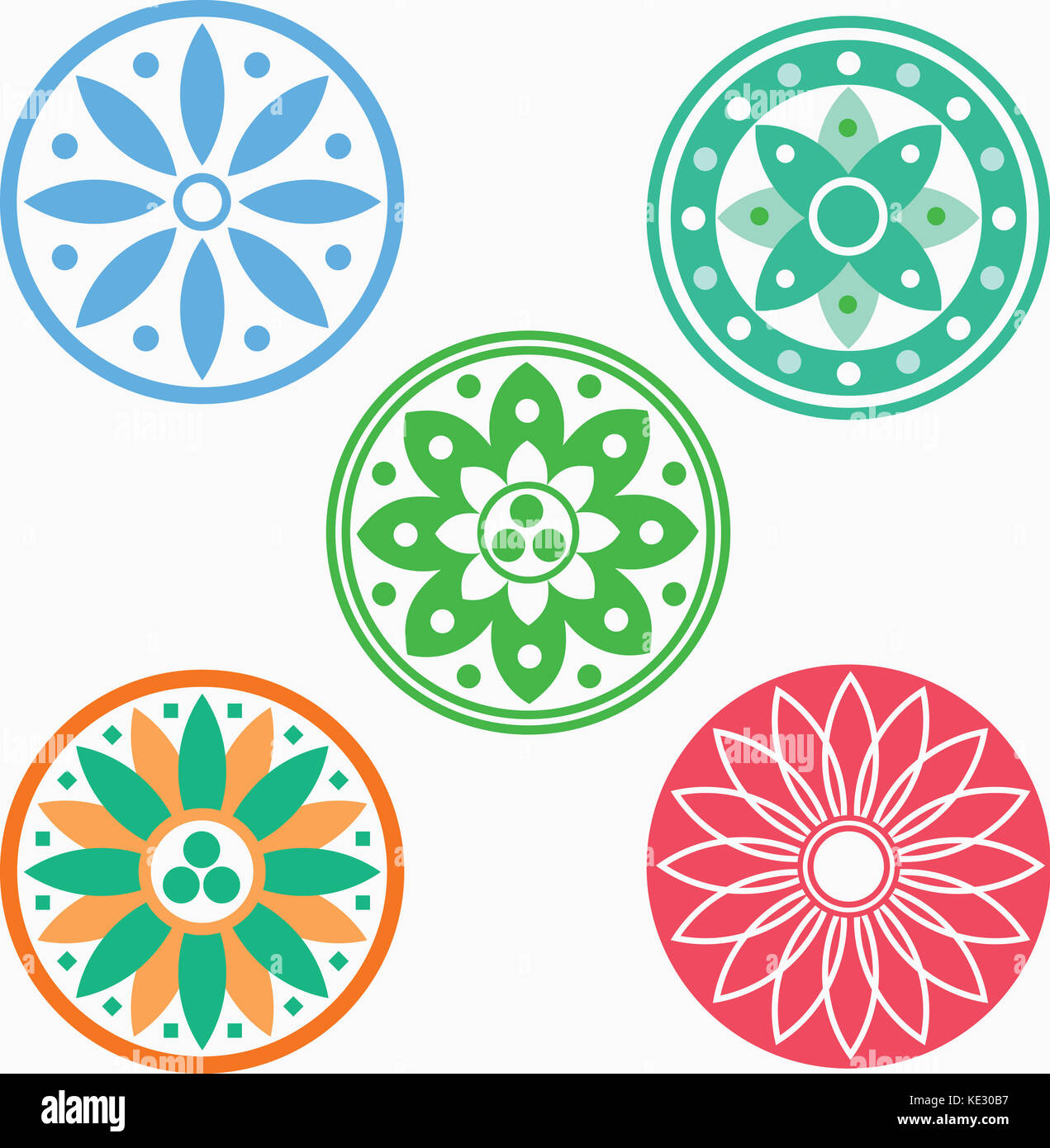
Set of various traditional Korean patterns Stock Photo Alamy

"Dancheong" a traditional Korean pattern on Behance
Web Korean Traditional Patterns Were Used In Architecture, Daily Goods, And Artifacts Of Buddhist Temples To Further Emphasize Buddhism.
Web See A Feature Article On Korean Traditional Patterns, Symbols & Colors:
Web Korean Traditional Patterns Were Used In Architecture, Daily Goods, And Artifacts Of Buddhist Temples To Further Emphasize Buddhism.
Many Decorative Patterns In Korean Art Are Deeply Rooted In Cultural Symbolism, Representing Concepts Such As Longevity, Prosperity, Fertility, And Protection From Evil Spirits.
Related Post: