
Pattern 1796 Heavy Cavalry Sword
Pattern 1796 Heavy Cavalry Sword - Web in 1796 new patterns of swords for heavy and light cavalry were introduced. Best quality construction for hard training, very nice balance and flexibility for a great cut and thrust fencing, maintaining the safety of the. The 137 examples survive in the royal collection. Web heavy cavalry troopers 1796 sword, period modified by the removal of the inner edge of the disk, the hilt has the wooden grip with the leather covering. Web this replica of the famously robust 1796 british heavy cavalry sword has a tempered blade forged from high carbon steel which is solidly mounted into a steel hilt with a durable ribbed grip of black leather. Web this pattern of sword, with 35 inch long blade, was approved for the use of other ranks of british heavy cavalry on 27th june 1796 and was in use up to about 1850. Was written from the muster rolls and the records, letters, diaries of common. This sword with its heavy, straight blade and 'hatchet' point made it wholly unsuitable for either cutting or thrusting. Often created on site from local wood, these were large devices with a weighted throwing arm held under tension until released. Weight is also lightly increased. The large blade had incredible cutting power but was cumbersome to use. The scabbard for this type of sword was made of iron with two suspension rings. Web this pattern of sword, with 35 inch long blade, was approved for the use of other ranks of british heavy cavalry on 27th june 1796 and was in use up to about 1850. It performed well enough to become a stalwart of the era, but would be replaced in 1822. This sword with its heavy, straight blade and 'hatchet' point made it wholly unsuitable for either cutting or thrusting. Web heavy cavalry troopers 1796 sword, period modified by the removal of the inner edge of the disk, the hilt has the wooden grip with the leather covering. Web the pattern 1796 light cavalry sword is one of the most iconic military swords ever produced. Straight blade with inspection stamps and spear point and is complete. Web a british pattern 1796 heavy cavalry trooper's sword. The leather bound grip show signs of age wear however solid with a small mount of leather missing near the hilt. It displayed serious combat shortcomings and substitutes appeared almost immediately after it was first issued. And finally, there was the pattern 1796 infantry officer’s sword. This sword played a crucial role in battles, showcasing the skill and courage of the cavalrymen who wielded it. It performed well enough to become a stalwart of the era, but would be replaced in. Best quality construction for hard training, very nice balance and flexibility for a great cut and thrust fencing, maintaining the safety of the. The leather bound grip show signs of age wear however solid with a small mount of leather missing near the hilt. Often created on site from local wood, these were large devices with a weighted throwing arm. Regulation pattern 1796 heavy cavalry trooper disc hilt sword with langets and full guard. Web the pattern 1796 heavy cavalry sword was the sword used by the british heavy cavalry (lifeguards, royal horse guards, dragoon guards and dragoons), and king's german legion dragoons, through most of the period of the revolutionary and napoleonic wars. Web this pattern of sword, with. In practice, it was common for the 'hatchet' edge to. Web the 1796 heavy cavalry sword was modeled on the austrian 1775 pattern sword and was used in the battle of waterloo 1812 by british heavy cavalry regiments such as the kings dragoon guards. Web exact replacement grips for most cw swords ames, roby, horstmann, etc. The large blade had. Web exact replacement grips for most cw swords ames, roby, horstmann, etc. Web the pattern 1796 heavy cavalry sword was the sword used by the british heavy cavalry (lifeguards, royal horse guards, dragoon guards and dragoons), and king's german legion dragoons, through most of the period of the revolutionary and napoleonic wars. Web this 1796 heavy cavalry sword blade is. The scabbard for this type of sword was made of iron with two suspension rings. Web media in category 1796 pattern heavy cavalry sword the following 7 files are in this category, out of 7 total. Web the 1796 pattern british heavy cavalry sword, also known as the king's sword, was introduced as the standard sword for the british heavy. Was written from the muster rolls and the records, letters, diaries of common. Best quality construction for hard training, very nice balance and flexibility for a great cut and thrust fencing, maintaining the safety of the. Web in 1796 new patterns of swords for heavy and light cavalry were introduced. Web edge thickness is narrower, with hexagonal section blade. Web. Web in good overall condition, a 1796 pattern waterloo era british heavy cavalry officer’s sword and scabbard. For a more detailed information about blade, guard, color and other options, please visit the this page. The scabbard for this type of sword was made of iron with two suspension rings. Web this pattern of sword, with 35 inch long blade, was. Was written from the muster rolls and the records, letters, diaries of common. Often created on site from local wood, these were large devices with a weighted throwing arm held under tension until released. Web a british pattern 1796 heavy cavalry trooper's sword. Web the pattern 1796 heavy cavalry sword was the sword used by the british heavy cavalry (lifeguards,. The hilt is of steel with a ribbed leather grip. The large blade had incredible cutting power but was cumbersome to use. Straight blade with inspection stamps and spear point and is complete. Web british 1796 heavy cavalry trooper sword by osborn. Web the 1796 heavy cavalry sword was based on the austrian 1775 pattern sword and was used by. By dawes, birmingham, early 19th century. In practice, it was common for the 'hatchet' edge to. Web british 1796 heavy cavalry trooper sword by osborn. For a more detailed information about blade, guard, color and other options, please visit the this page. And finally, there was the pattern 1796 infantry officer’s sword. Web the pattern 1796 light cavalry sword is one of the most iconic military swords ever produced. Web the 1796 heavy cavalry sword was modeled on the austrian 1775 pattern sword and was used in the battle of waterloo 1812 by british heavy cavalry regiments such as the kings dragoon guards. Regulation pattern 1796 heavy cavalry trooper disc hilt sword with langets and full guard. Swords came in many varieties such as sabers, broadswords and claymores. Web the 1796 pattern british heavy cavalry sword, also known as the king's sword, was introduced as the standard sword for the british heavy cavalry in the late 18th century. The scabbard is of steel with ring mounts. Web this pattern of sword, with 35 inch long blade, was approved for the use of other ranks of british heavy cavalry on 27th june 1796 and was in use up to about 1850. Web in good overall condition, a 1796 pattern waterloo era british heavy cavalry officer’s sword and scabbard. Web in 1796 new patterns of swords for heavy and light cavalry were introduced. It performed well enough to become a stalwart of the era, but would be replaced in 1822. The leather bound grip show signs of age wear however solid with a small mount of leather missing near the hilt.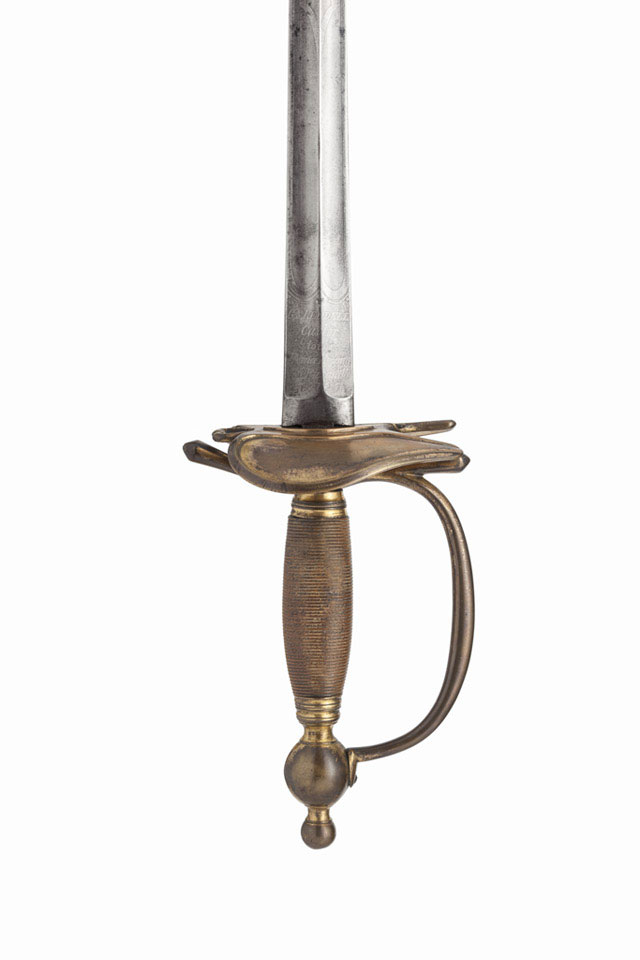
Pattern 1796, Heavy Cavalry officer's dress sword, 1814 (c) Online
.jpg?mode=max)
A BRITISH PATTERN 1796 HEAVY CAVALRY TROOPER'S SWORD
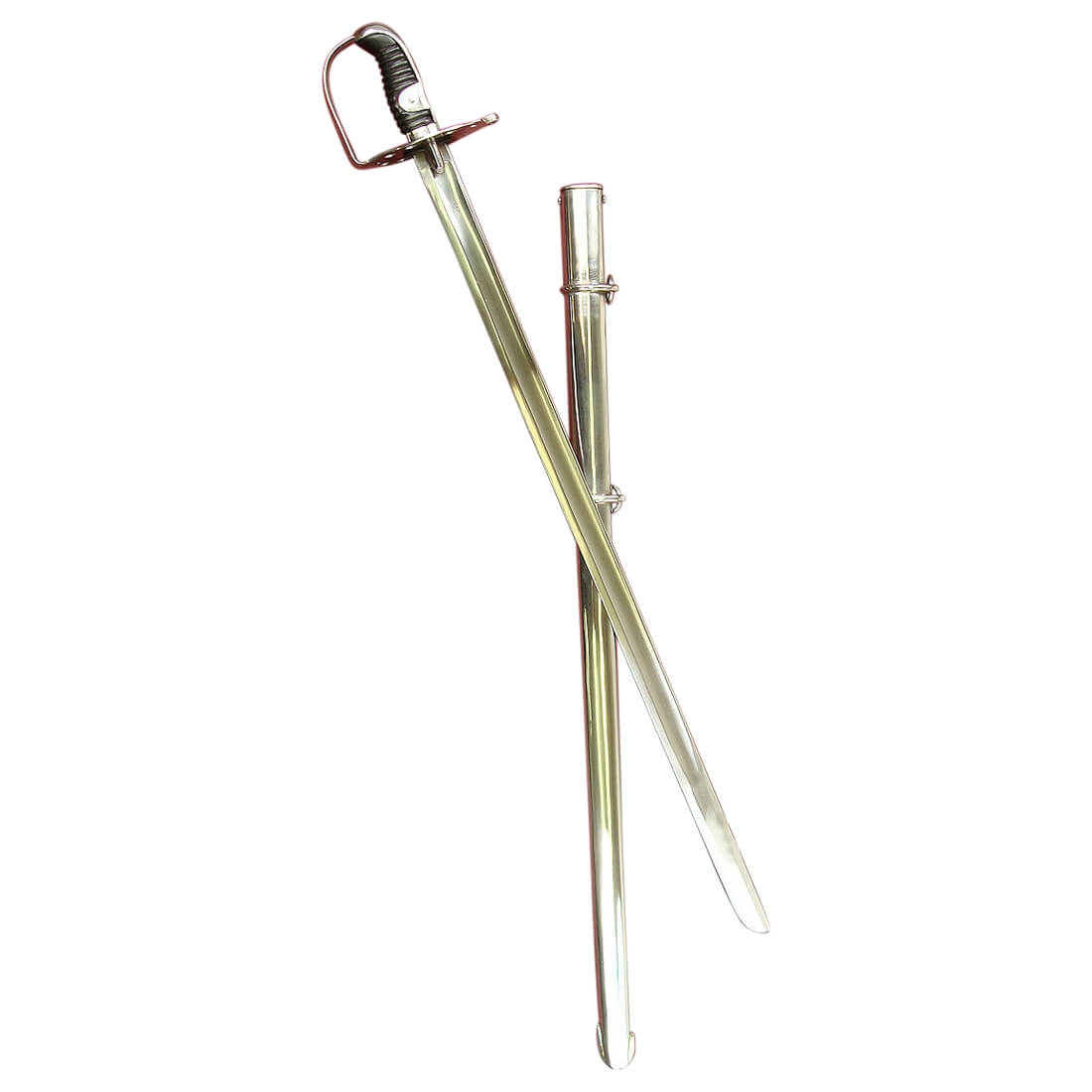
Pattern 1796 British Heavy Cavalry Sword
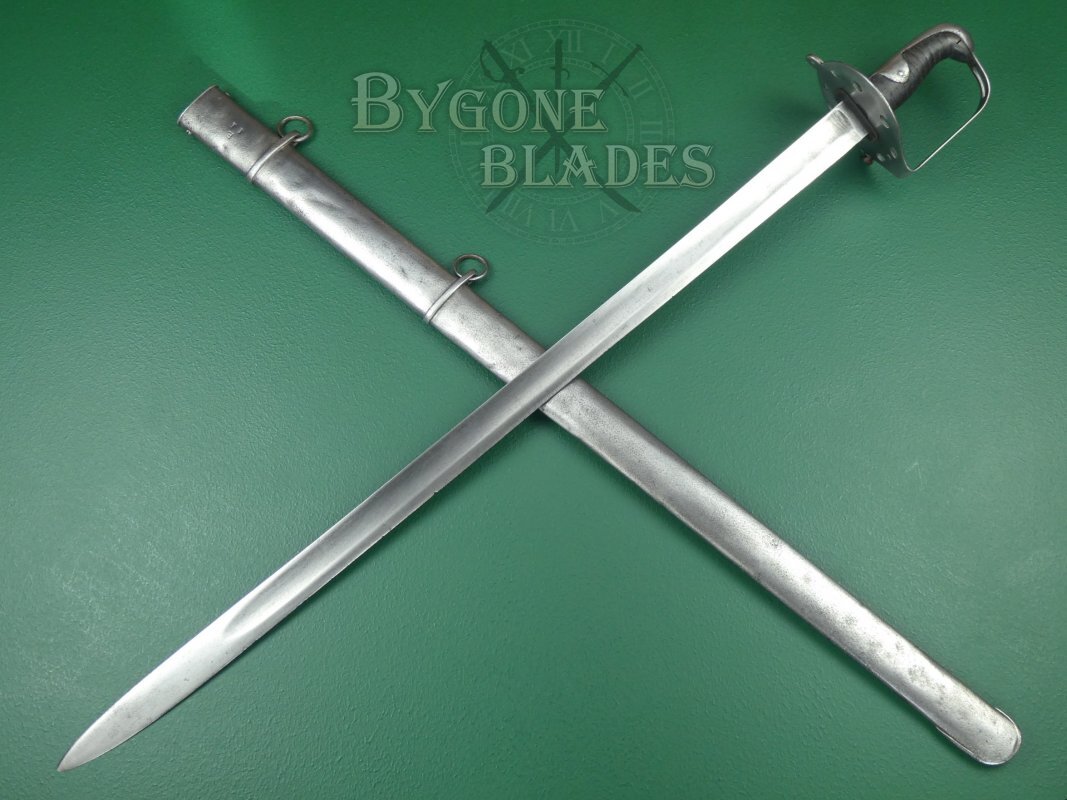
British 1796 Heavy Cavalry Sword. T. Craven. 2208006 Bygone Blades
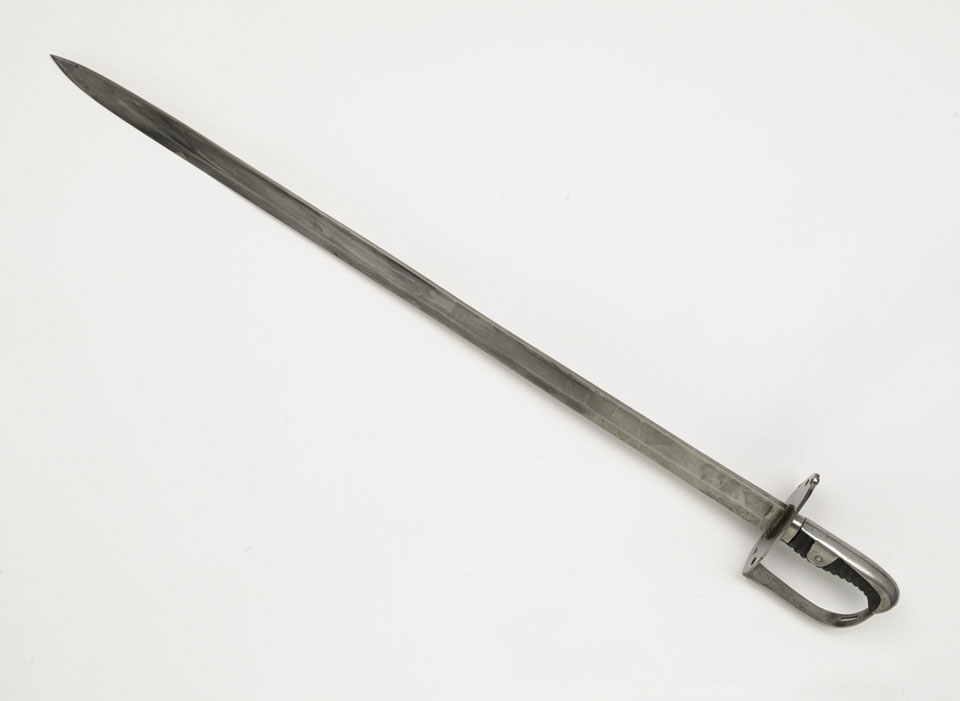
Pattern 1796 Heavy Cavalry Trooper's sword, 1814 (c) Online

British Heavy Cavalry Sword 1796 Pattern Buy Military Swords from

1796 Pattern Heavy Cavalry Trooper's Sword
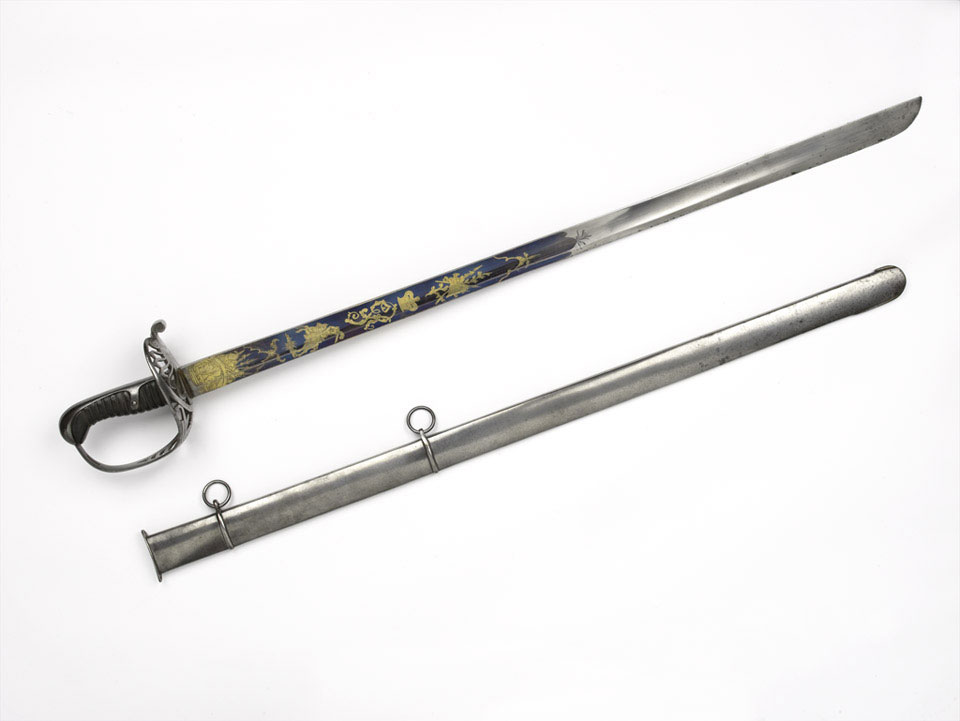
Pattern 1796, Heavy Cavalry Officer's undress sword, 1810 (c) Online

Sold at Auction 1796 PATTERN HEAVY CAVALRY TROOPERS SWORD
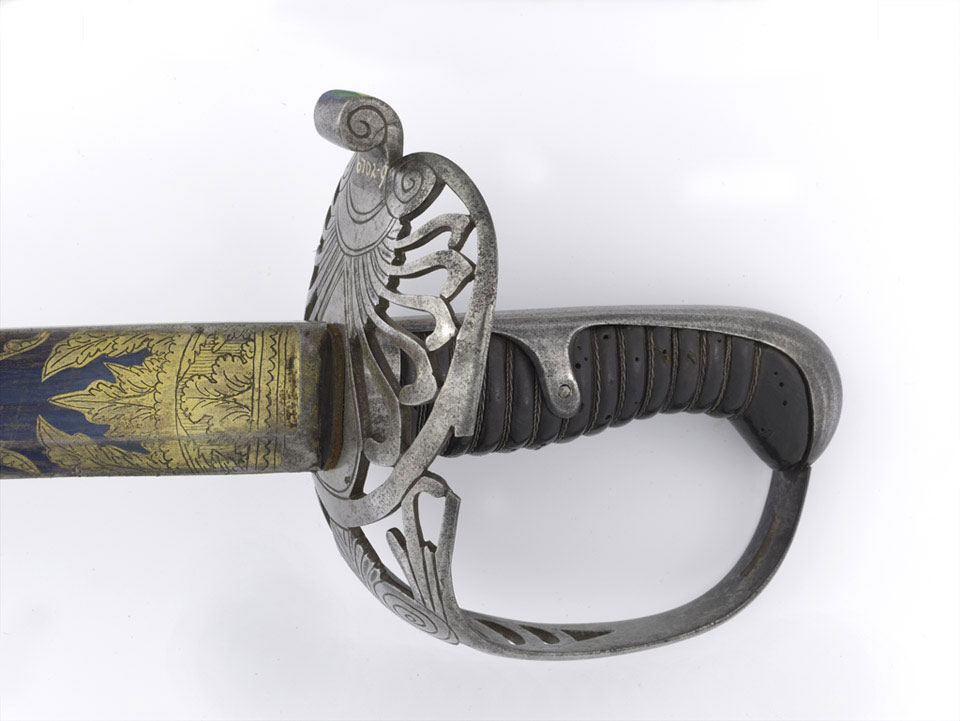
Pattern 1796, Heavy Cavalry Officer's undress sword, 1810 (c) Online
This Sword Played A Crucial Role In Battles, Showcasing The Skill And Courage Of The Cavalrymen Who Wielded It.
Was Written From The Muster Rolls And The Records, Letters, Diaries Of Common.
Often Created On Site From Local Wood, These Were Large Devices With A Weighted Throwing Arm Held Under Tension Until Released.
The Scabbard For This Type Of Sword Was Made Of Iron With Two Suspension Rings.
Related Post: