
Supination Wear Pattern
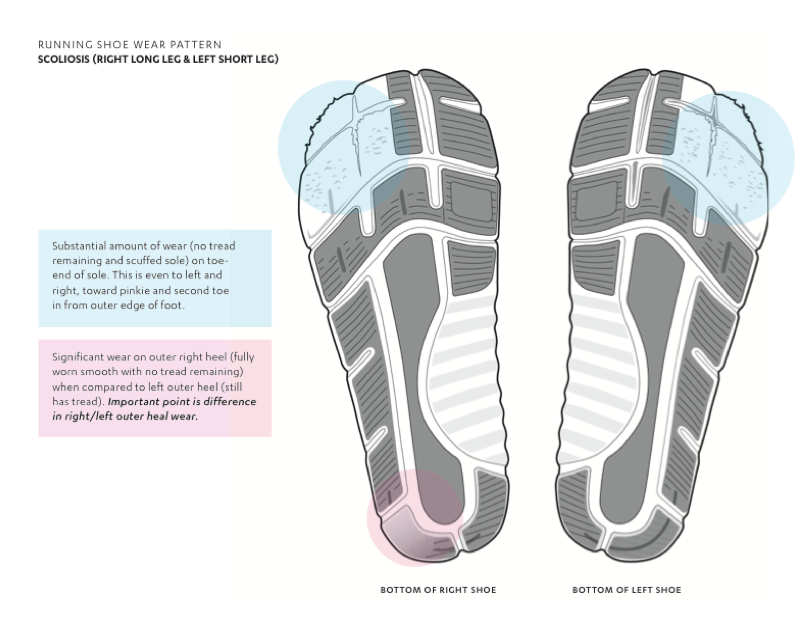
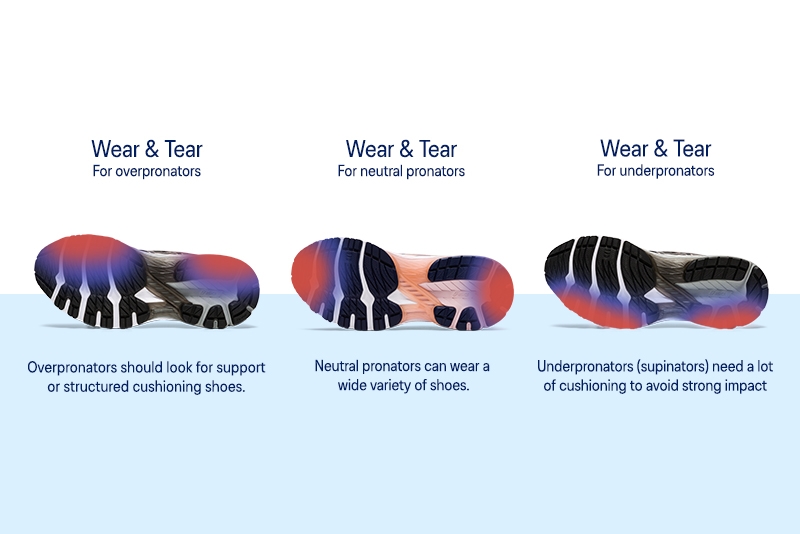
Supination Wear Pattern - Normal wear on shoes goes from the outside edge of the heel toward the center. Just flip over the shoe and assess the rubber tread on the outsole. Web underpronation, or supination, occurs when the foot rolls outward, placing excessive stress on the outside of the foot and ankle. If it tilts outward, you are most likely supinating. Web to see if you underpronate, check the wear pattern of your shoes. There are 2 ways that you can diagnose yourself for foot supination. What sorts of problems are associated with abnormal foot patterns? Taylor notes the appearance of wear patterns on shoes may take several weeks, or even months, of use to appear. Web seek excessive wear on the outside edge of your outsole after you rule out overpronation. Those who supinate will feature a prominent “wear and tear” pattern on the outer edge of the shoe. Medial, neutral and lateral wear. Just flip over the shoe and assess the rubber tread on the outsole. Those who supinate will feature a prominent “wear and tear” pattern on the outer edge of the shoe. There are 2 ways that you can diagnose yourself for foot supination. Overpronation occurs when the way you walk leads to more flattened arches over time causing tension in your foot and leg muscles. If this exists you have a supinator, or underpronation, pattern. Taylor notes the appearance of wear patterns on shoes may take several weeks, or even months, of use to appear. However, i have compiled a list at the bottom of this post with a few articles that have been published for further reading. If the shoe is noticeably broken down on its outer side, continued wear is likely to make underpronation pain even worse, as the shoe will provide less shock absorption on. Supinators show wear on the outside edges of your heels and on the outsides of the balls of your feet (the side toward the pinky toe). These three patterns indicate either a neutral foot strike, overpronation, or underpronation (also known as supination). All you have to do is to check out the wear pattern on one of your used and abused pairs of running shoe. Web in the running shoe wear pattern picture, you can see that there are three common wear patterns: With underpronation, lateral. Purchase shoes with extra cushioning and a curved last if you have a supination pattern. There are 2 ways that you can diagnose yourself for foot supination. If the shoe is noticeably broken down on its outer side, continued wear is likely to make underpronation pain even worse, as the shoe will provide less shock absorption on. However, i have. These three patterns indicate either a neutral foot strike, overpronation, or underpronation (also known as supination). Those who supinate will feature a prominent “wear and tear” pattern on the outer edge of the shoe. Supinators show wear on the outside edges of your heels and on the outsides of the balls of your feet (the side toward the pinky toe).. All shoes will wear down with use, but certain patterns can mean you overpronate, supinate, or have a neutral gait. Supinators show wear on the outside edges of your heels and on the outsides of the balls of your feet (the side toward the pinky toe). Also learn how to correct supination and how to fix pronated feet. Purchase shoes. If it tilts outward, you are most likely supinating. Just flip over the shoe and assess the rubber tread on the outsole. Emilija manevska/moment via getty images. If this exists you have a supinator, or underpronation, pattern. If the shoe is noticeably broken down on its outer side, continued wear is likely to make underpronation pain even worse, as the. This extra pressure can also increase the risk of injury. Web we asked a physical therapist what your shoes’ outsoles can—and can’t—tell you. Web if your foot doesn’t roll as much, or at all, through the foot’s contact with the ground, the landing forces wind up on the outside (lateral) edges of your feet. Now to be fair, this post. Now to be fair, this post will contain a great deal of anecdotal data and comments. Web if your foot doesn’t roll as much, or at all, through the foot’s contact with the ground, the landing forces wind up on the outside (lateral) edges of your feet. All you have to do is to check out the wear pattern on. This is called underpronation or supination. With underpronation, lateral wear will be on the bottom of your shoes. Web understand what is pronation and supination, how to identify these walking styles and how these gait patterns affect the rest of your body. With supination, your shoes will wear down on the outer edges only. Web underpronation, or supination, occurs when. All shoes will wear down with use, but certain patterns can mean you overpronate, supinate, or have a neutral gait. Web examine the wear pattern of an old pair of shoes. This may be an indicator of supination. With underpronation, lateral wear will be on the bottom of your shoes. If it tilts outward, you are most likely supinating. Just flip over the shoe and assess the rubber tread on the outsole. Web pronation is the natural motion of your foot during walking and running. Medial, neutral and lateral wear. Evidence of whether or not you supinate can be found in the soles of your shoes. These three patterns indicate either a neutral foot strike, overpronation, or underpronation (also. Web to see if you underpronate, check the wear pattern of your shoes. What sorts of problems are associated with abnormal foot patterns? Also learn how to correct supination and how to fix pronated feet. If it tilts outward, you are most likely supinating. Web we asked a physical therapist what your shoes’ outsoles can—and can’t—tell you. A supinator’s outsoles will wear along the lateral edge. Your gait can show a pattern of neutral pronation, overpronation, or supination (underpronation). If you put your shoes on a flat surface, you may not notice any tilt. If you notice that the lateral (or outside) part of the heel wears down more than the inside, that’s a sign of excessive roll, anastasio says. Web the wear pattern on your shoes can indicate your gait style. With underpronation, lateral wear will be on the bottom of your shoes. Examine old shoes check out the sole of your shoe to determine if there is any distinct pattern of wear. Web underpronation, or supination, occurs when the foot rolls outward, placing excessive stress on the outside of the foot and ankle. They may have different wear patterns or they might wear out more quickly than you would expect. If the shoe is noticeably broken down on its outer side, continued wear is likely to make underpronation pain even worse, as the shoe will provide less shock absorption on. Web seek excessive wear on the outside edge of your outsole after you rule out overpronation.
Supination Shoe Wear Pattern

What are the bottoms of your shoes telling you?

Pronation And Supination Whats All That About Ariki Holidays

Supination Shoe Wear Pattern atelieryuwa.ciao.jp
Overpronation Shoe Wear Pattern

Pronation Vs Supination Shoe Wear

Supination Shoe Wear Pattern

Supination Shoe Wear Pattern

2ft Orthotics will Correct Over Pronation in Adults and Children
Supination Shoe Wear Pattern
This Extra Pressure Can Also Increase The Risk Of Injury.
Here’s Our Top Picks For Runners Who Supinate.
There Are 2 Ways That You Can Diagnose Yourself For Foot Supination.
Web Understand What Is Pronation And Supination, How To Identify These Walking Styles And How These Gait Patterns Affect The Rest Of Your Body.
Related Post: