
Textured Ceiling Patterns
Textured Ceiling Patterns - If you want to choose the right design or ceiling pattern for your room, you need to analyze the type of your room and select it accordingly. Find out what ceiling texture is best for your home style. Web if you’re tired of the same old flat surface or dealing with a ceiling full of imperfections, repairs, or uneven surfaces, a textured ceiling may be the way to go. A finished ceiling has other materials added to the drywall. In addition to their visual appeal, ceiling texture patterns can also provide a practical benefit. Texture can add character and depth to the room, making it an excellent final touch on a renovation project. Learn how to texture ceilings to create a unique style to your home. Learn which texture suits your style and budget To create this texture, you just need to grab a handful of sand, which has been mixed with cement and water, and then throw it as strong as you can to your ceiling. Web see the most popular drywall ceiling texture types that will enhance interior design. Web common ceiling texture types include popcorn, knockdown, and stucco. Web ceiling texture is a type of finish that modifies a drywall to a textured surface by using different materials. Web how to texture a ceiling. Mixtures are available in fine, medium and coarse grades so you can choose your own specific “flavor.” Web a textured ceiling is normally achieved by using a sand compound and spreading in a specific pattern to create a bumpy, uneven finish. Web a textured ceiling is also referred to as a finish. Tasteful texture on a ceiling can add character to a room that isn’t achievable with a smooth finish. Web ceiling texture patterns can help create a unique, stylish look that can help to transform a room. If you want to choose the right design or ceiling pattern for your room, you need to analyze the type of your room and select it accordingly. Web 19 ceiling texture types. Web gallery of ceiling texture types including popular pattern design ideas. Find the perfect texture for your ceiling. Texture a ceiling to hide imperfections and add character to your home's interior. They can also be used to draw attention away from any imperfections in the ceiling. Web common ceiling texture types include popcorn, knockdown, and stucco. Web if you’re tired of the same old flat surface or dealing with a ceiling full of imperfections, repairs, or uneven surfaces, a textured ceiling may be the way to go. Web a textured ceiling is normally achieved by using a sand compound and spreading in a specific pattern to create a bumpy, uneven finish. Popcorn or acoustic ceiling texture.. Well, that’s the traditional method! Texture a ceiling to hide imperfections and add character to your home's interior. To create this texture, you just need to grab a handful of sand, which has been mixed with cement and water, and then throw it as strong as you can to your ceiling. Before you choose which texture you'd like to use,. Web when designing your rooms, it’s crucial to consider not only wall and ceiling paint colors but also the texture patterns that can create an interesting and captivating atmosphere. Web popular ceiling texture types. Web the essential to texture a ceiling is probably drywall mud and premixed textured paint. It’s sometimes called splatter or eggshell, depending on the smoothness and. Learn how to texture your ceiling, your way, with one of four techniques. Web meaning of a textured ceiling. When a ceiling is finished, it has other materials applied over the top of the sheetrock instead of only paint. What are the different types of ceiling texture? Getting the look and feel of crumbled popcorn above your head can be. Web if you’re tired of the same old flat surface or dealing with a ceiling full of imperfections, repairs, or uneven surfaces, a textured ceiling may be the way to go. Learn how to texture your ceiling, your way, with one of four techniques. Web how to texture a ceiling. Textures often use spackle, plaster, mud, styrofoam, and other components. Web if you’re tired of the same old flat surface or dealing with a ceiling full of imperfections, repairs, or uneven surfaces, a textured ceiling may be the way to go. Web meaning of a textured ceiling. While few people dream of dated popcorn ceilings, a textured ceiling isn’t an inherently bad design choice. They not only exclude monotony, but. Web if you’re tired of the same old flat surface or dealing with a ceiling full of imperfections, repairs, or uneven surfaces, a textured ceiling may be the way to go. To create this texture, you just need to grab a handful of sand, which has been mixed with cement and water, and then throw it as strong as you. Here are some of the more widely recognized and used types: Looking for a blast from the past into the 1960s? Mixtures are available in fine, medium and coarse grades so you can choose your own specific “flavor.” What are the different types of ceiling texture? Web a textured ceiling is normally achieved by using a sand compound and spreading. Learn how to texture ceilings to create a unique style to your home. Web common ceiling texture types include popcorn, knockdown, and stucco. Dive into the variety of ceiling textures, materials, and tools needed, and explore their pros and cons. Before you choose which texture you'd like to use, browse through this list to make sure you know which options. They can also be used to draw attention away from any imperfections in the ceiling. If you want to choose the right design or ceiling pattern for your room, you need to analyze the type of your room and select it accordingly. We've compiled some of the most popular types of ceiling textures and explained a bit about how to achieve them. They not only exclude monotony, but also conceal imperfections such as cracks or holes. Web a mixture of drywall mud and paint can add plenty of visual interest overhead. Web how to texture a ceiling. Web meaning of a textured ceiling. It’s sometimes called splatter or eggshell, depending on the smoothness and overall look achieved at the end. Learn which texture suits your style and budget When it comes to interior design, the texture of your ceiling plays a crucial role in creating the desired atmosphere and aesthetic appeal. In addition to their visual appeal, ceiling texture patterns can also provide a practical benefit. Web ceiling texture is a type of finish that modifies a drywall to a textured surface by using different materials. Common ceiling texture types include comb, popcorn, and orange peel, which help to improve the look of the home while also hiding imperfections, absorbing sound, and adding depth to the room. It is popular in both residential and commercial settings, offering a unique aesthetic appeal to ceilings. Learn how to texture ceilings to create a unique style to your home. Tasteful texture on a ceiling can add character to a room that isn’t achievable with a smooth finish.
27 Enchanting Ceiling Texture Types for Your Beautiful Ceiling

25+ Ceiling Texture Types and Ideas 2024 (Pros & Cons)
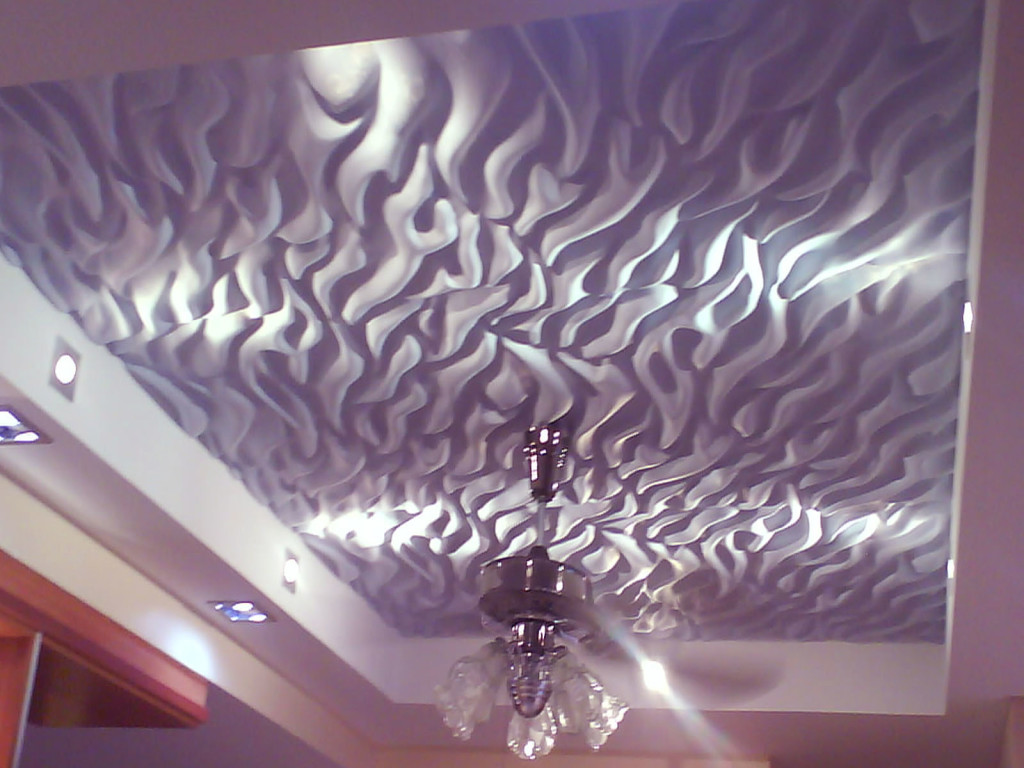
25 Elegant Ceiling Designs For Living Room Home And Gardening Ideas

Drywall Ceiling Texture Brushes Wall Design Ideas
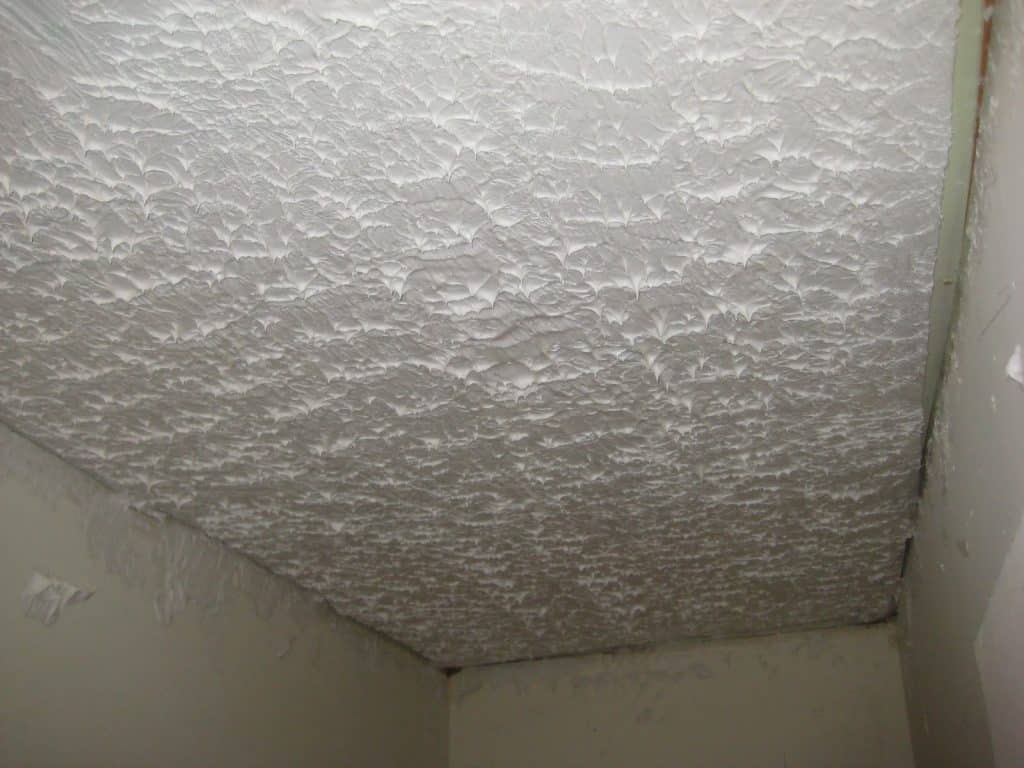
25 Ceiling Textures Ideas for Your Room Liquid Image
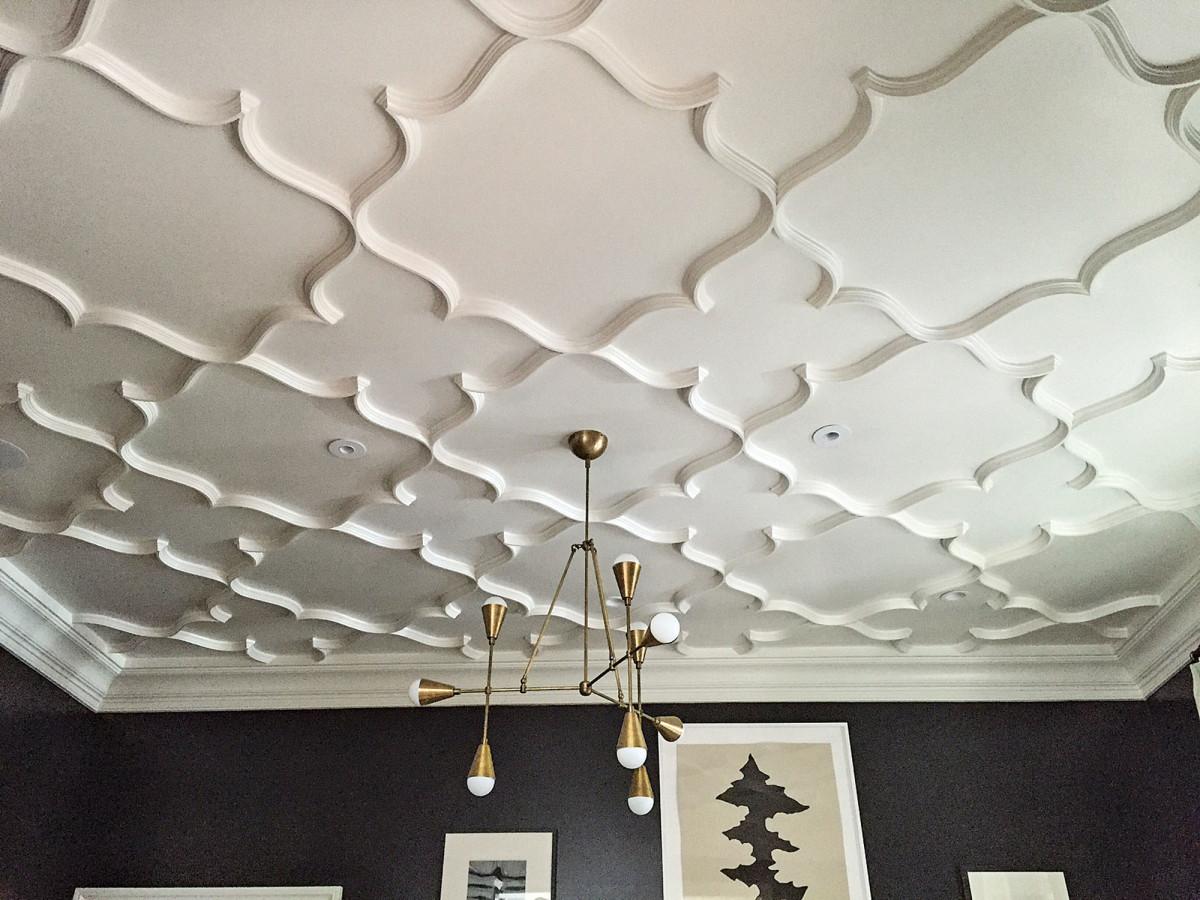
27 Enchanting Ceiling Texture Types for Your Beautiful Ceiling

coffered ceiling! False Ceiling Design, Wooden Ceiling Design, Ceiling

25++ Most Popular Ceiling Texture Types and Patterns for Your Home
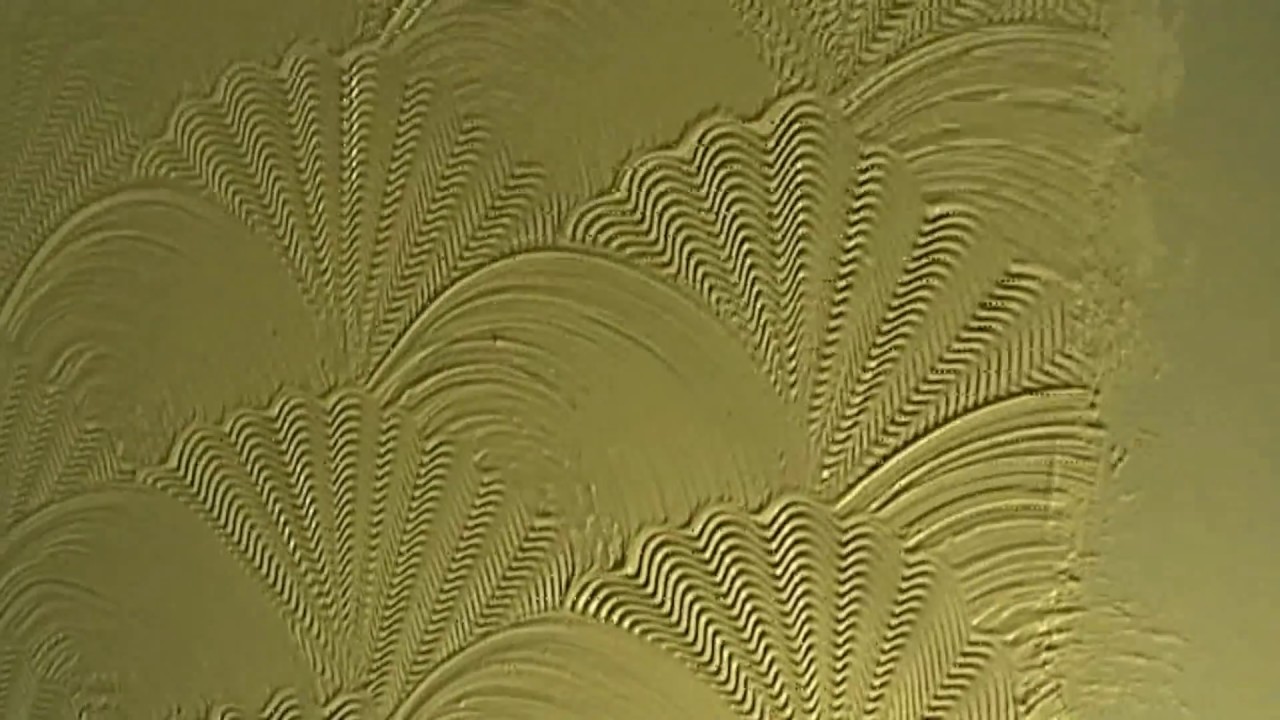
25+ Ceiling Texture Types and Ideas 2024 (Pros & Cons)
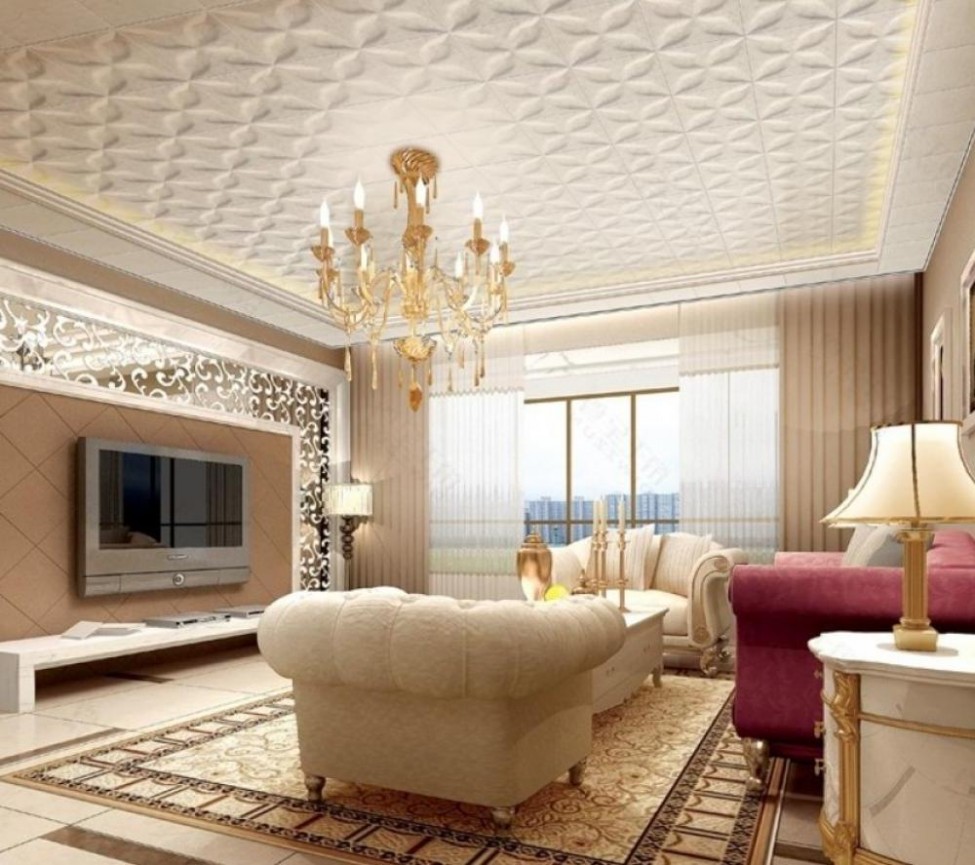
25 Elegant Ceiling Designs For Living Room Home And Gardening Ideas
Web The Essential To Texture A Ceiling Is Probably Drywall Mud And Premixed Textured Paint.
Here Are Some Of The More Widely Recognized And Used Types:
Web Ceiling Texture Patterns Can Help Create A Unique, Stylish Look That Can Help To Transform A Room.
Textures Often Use Spackle, Plaster, Mud, Styrofoam, And Other Components To Add Depth And Dimension To A Flat Ceiling.
Related Post: